
Mott sues to vacate suspension
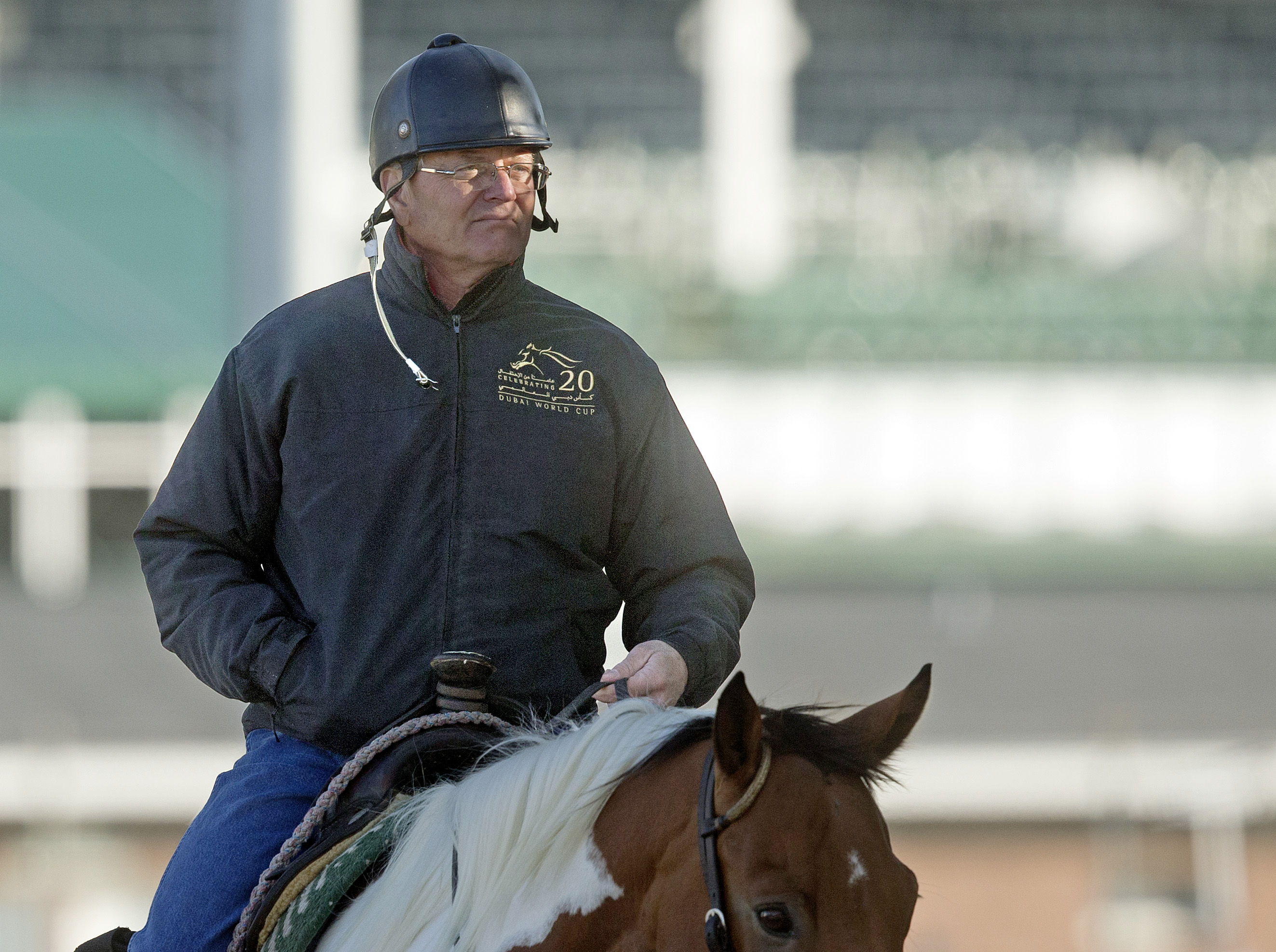
Hall of Fame trainer Bill Mott has asked a judge to vacate a 15-day suspension he received last year for two overages of therapeutic medications in a horse he trained, claiming in a federal lawsuit filed against state regulators Wednesday that his due-process rights were violated.
The suit, filed in the U.S. District Court for the Eastern District of New York, says the suspension should be thrown out because the New York State Gaming Commission failed to provide a split sample from blood withdrawn from the horse in question for retesting. Instead, the commission provided a urine sample for retesting, which the suit claims was inadequate to verify the overages or to confirm that the blood sample was in fact from the original horse.
Last year, Mott was suspended for 15 days by the gambling commission after Saratoga Snacks tested positive for overages of two therapeutic medications, the anti-bleeding drug furosemide and the painkiller flunixin, following a last-place finish in an allowance race at Belmont Park on Sept. 20, 2014. Mott appealed the suspension and was granted a stay.
On Thursday, Lee Park, a spokesman for the gambling commission, said the commission “never comments on pending litigation.”
Both furosemide and flunixin are regulated medications in New York, meaning post-race samples can contain traces of the medications as long as they do not exceed specific threshold levels. Furosemide, also known as Lasix, is administered on race day in New York by state veterinarians, whereas flunixin can be administered up to 24 hours prior to a race by a trainer’s private veterinarian.
Mott has said the overages for both drugs were 10 times the permitted levels. The suit states that Mott asked the state veterinarian to administer 3 cubic centimeters of furosemide four hours prior to post of the Sept. 20 race, even though the state allows for 10 CCs to be administered. For that reason, the suit argues, the post-race findings should be viewed with suspicion.
While blood samples can be used to calculate the concentration of substances in a horse, urine samples cannot. The suit states that the gambling commission did not maintain a large-enough sample of the post-race blood sample for additional testing at an independent lab but instead provided a urine sample for retesting. That sample confirmed the presence of the two drugs but could not be used to calculate the concentrations, the suit states. The urine sample also could not be used for DNA testing to confirm that the original blood sample came from Saratoga Snacks, according to the suit.
“We don’t believe we can get a fair hearing [without the blood split],” said Drew Mollica, who is representing Mott. “The overages are so out of line that we have to have it. Is that so outlandish?”
When asked why Mott chose to file a federal lawsuit when he could have received a relatively minor seven-day suspension if he chose not to appeal the penalty, Mollica said: “In my opinion, Bill Mott has built a reputation of greatness that cannot be challenged by the industry. He is a template for everything that is right. I asked him whether he just wanted to take the seven days, and he said, ‘No. This just isn’t fair.’ ”