
Medina Spirit split sample confirmed for betamethasone
A split of the post-Kentucky Derby blood sample pulled from winner Medina Spirit confirmed the presence of the regulated corticosteroid betamethasone, the attorney for the colt’s trainer, Bob Baffert, confirmed Wednesday.
The split sample tested positive for 25 picograms per milliliter of blood serum, according to the attorney, Craig Robertson. That concentration is consistent with the result of the initial test, which tested at 22 picograms, Robertson had said earlier.
The positive test is likely to set in motion the formal process to disqualify Medina Spirit from the Derby and pursue penalties against Baffert, who had another horse test positive for the same medication in fall 2020 after a third-place finish in the Grade 1 Kentucky Oaks, also at Churchill Downs. Under Kentucky regulations, a positive for betamethasone requires a horse to be disqualified.
Split-sample tests generally confirm the initial finding. Trainers are allowed to have a split sample tested prior to the onset of a formal adjudication of the positive.
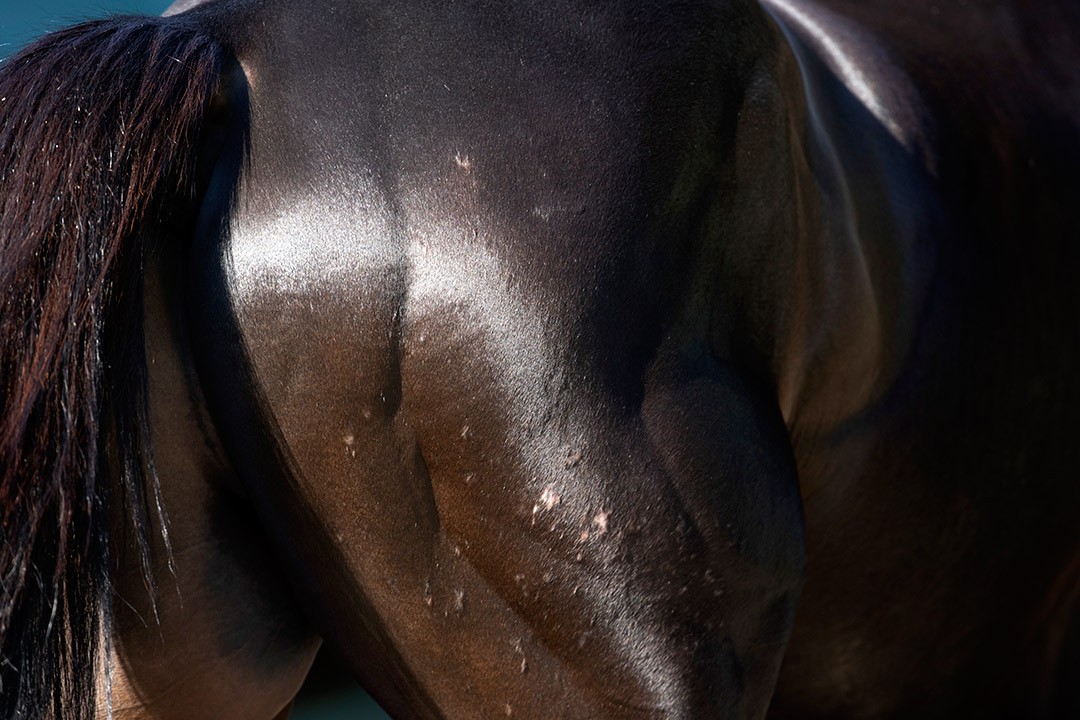
Still, Robertson said that “there is other testing being conducted,” including DNA testing to confirm that the sample came from Medina Spirit. Robertson and Baffert have contended that the positive was the result of using an ointment, Otomax, to treat dermatitis on Medina Spirit’s right hind flank. The prescription ointment contains betamethasone, as stated clearly on the label.
“At the end of the day, we anticipate this case to be about the treatment of Medina Spirit’s skin rash with Otomax,” Robertson said. “We will have nothing further to say until additional testing is complete.”
Betamethasone is most commonly used in its injectable form in order to treat inflammation in joints. Baffert has said that Medina Spirit was never treated with an injectable form of the drug. Kentucky guidelines advise trainers to administer betamethasone as an injectable at least 14 days prior to a race in order to allow the medication to clear the system.
Clark Brewster, the attorney for Medina Spirit’s owner, Amr Zedan, said that the split urine sample from the horse has been sent to a lab to test for “components” of the ointment that he contended would be able to determine whether the betamethasone arose from the skin treatment or an injectable. Although the sample was sent to an accredited lab at the direction of the horse’s connections, the KHRC was responsible for the shipping and chain-of-custody of the sample, Brewster said.
“The upshot is that if the lab determines that the betamethasone came from the topical salve rather than the injectable, that is significant,” said Brewster, a horse owner and breeder with significant experience in appealing medication positives. “The whole basis of the rule is that … the KHRC does not want joint injections within 14 days of the race. In this case then, the behavior they want to stop with the rule is not even an issue.”
Brewster said that he plans to present that evidence to the stewards during the first hearing, and declined to say definitively whether Zedan would choose to appeal a disqualification of the horse.
“I believe, knowing what we think the evidence is going to show, that we are going to win at the stewards hearing,” Clark said.
Under regulations in U.S. racing states, trainers are held responsible for the condition of their horse when the horse enters the test barn, and penalties are based on this “absolute insurer” principle. However, language has been added to many rule books over the past decade allowing stewards to apply “mitigating circumstance” to trainer penalties.
If Kentucky stewards issue a ruling prior to the tests ordered by Baffert are returned, Baffert would need to appeal the ruling to stay the disqualification and penalties from being enforced. Stays are generally granted by racing commissions in the event of an appeal.