

Lack of racing fatalities more than make up for business declines at Del Mar summer meet
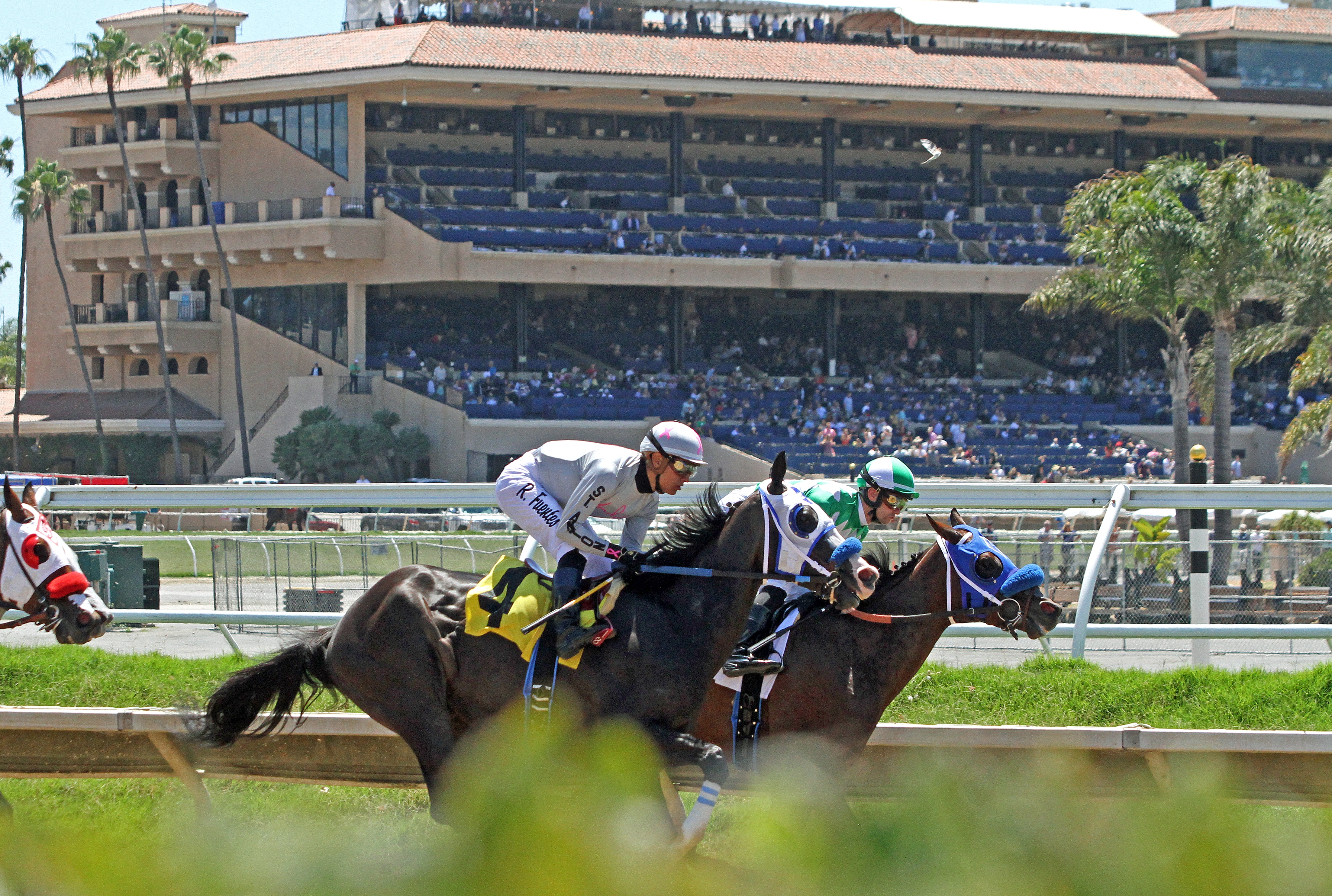
DEL MAR, Calif. – Del Mar ended its 36-day meeting on Monday with not one fatality in a race, an unprecedented feat for which track management was rightly proud.
“It says we’re on the right path,” Joe Harper, the track’s chief executive officer, said following the final race on Monday. “I’ve got to thank the horsemen for putting up with the changes.”
Del Mar beginning two years ago enhanced its morning veterinary presence, and empowered outriders to flag problem horses. That level of scrutiny increased this year.
“It’s weird. Our numbers are way off,” Harper said, referring to declines in overall handle and ontrack attendance, “but from our point of view this is the best meet we’ve ever had, because of the safety of it all.”
Average daily handle from all sources was $12,003,807, a decline of 10.9 percent from 2018 after growth of 6.8 percent last summer and 5.1 percent for the 2017 summer season. Del Mar ran 21 fewer races – the equivalent of 2.5 race days – than last summer, reflecting the realities of the horse population on this circuit. Average daily ontrack attendance was 11,264, a drop of 13.8 percent from last year. Both the 2017 and 2018 summer seasons were 36 days.
The declines in handle and attendance were expected, as Del Mar was facing significant headwinds when the meet opened.
Southern California racing has been under a microscope this year, beginning with a rash of fatalities at Santa Anita during its lengthy winter-spring meeting that caused racing to be abandoned for three weeks, and for truncated racing weeks to be run much of the rest of the way. After a brief meeting at Los Alamitos, Del Mar opened for racing July 17 and ran its usual five days per week, plus the traditional closing-day on Labor Day.
“This was a big breath of fresh air, which we all needed,” Harper said. “The last two weeks of the meet people were thanking me, thanking Del Mar. There were a lot of pretty depressed people coming down here from Santa Anita.
“California horsemen needed someplace to go and right the ship,” Harper said. “We managed to get that done down here.”
There were four fatalities this summer, all during training hours. Two were from leg fractures, and two were the result of a freak, head-on collision. So, all totaled, two horses suffered catastrophic leg fractures from the time the track opened for its first day of training on July 13 through the end of racing on closing day Monday.
“We emphasized equine safety, human safety,” said David Jerkens, the track’s racing secretary. “We saw everyone try to accomplish having the safest environment.”
Del Mar has a veteran leadership team, with executives like Harper, president and chief operating officer Josh Rubinstein, and executive vice president of racing Tom Robbins all having worked for the track for 25 years or more. Harper said Robbins and Jerkens were “the real heroes of the meet.”
“They see the big picture,” Harper said. “They’re not going day to day. I don’t think there’s a crew better than those two guys.”
“We knew racing five days a week was going to be a challenge, but we felt it was important to do so,” Jerkens said. “The last few weeks, from the Pacific Classic on, our field size stabilized compared to a year ago. It was robust.”
Jerkens said the popular Ship-and-Win program lured 15 more horses compared to the summer of 2018.
“Hopefully they’ll stay and help the Southern California inventory. That’s the point,” Jerkens said.
And because of having ideal summer weather in Southern California, “100 percent of our turf races stayed on the turf,” Jerkens said, laughing.
Of paramount importance was that Jerkens and Robbins had a full understanding of the horse population and wrote a condition book that often went as published, and never had more than two races on a given day not fill.
“We tried to establish normalcy, to right the ship, instill confidence,” Jerkens said. “We wanted to write a condition book so that trainers and owners would understand we’re going to run the races in the book. We wanted a consistent program that suited the horses on the grounds, even if that meant running a first-level allowance with five horses instead of a maiden-claimer with seven.
“We proved it can work. Now it’s Santa Anita’s turn to have a successful fall meet as they host the Breeders’ Cup.”