

King: Searching for value beneath heavy favorite in Preakness
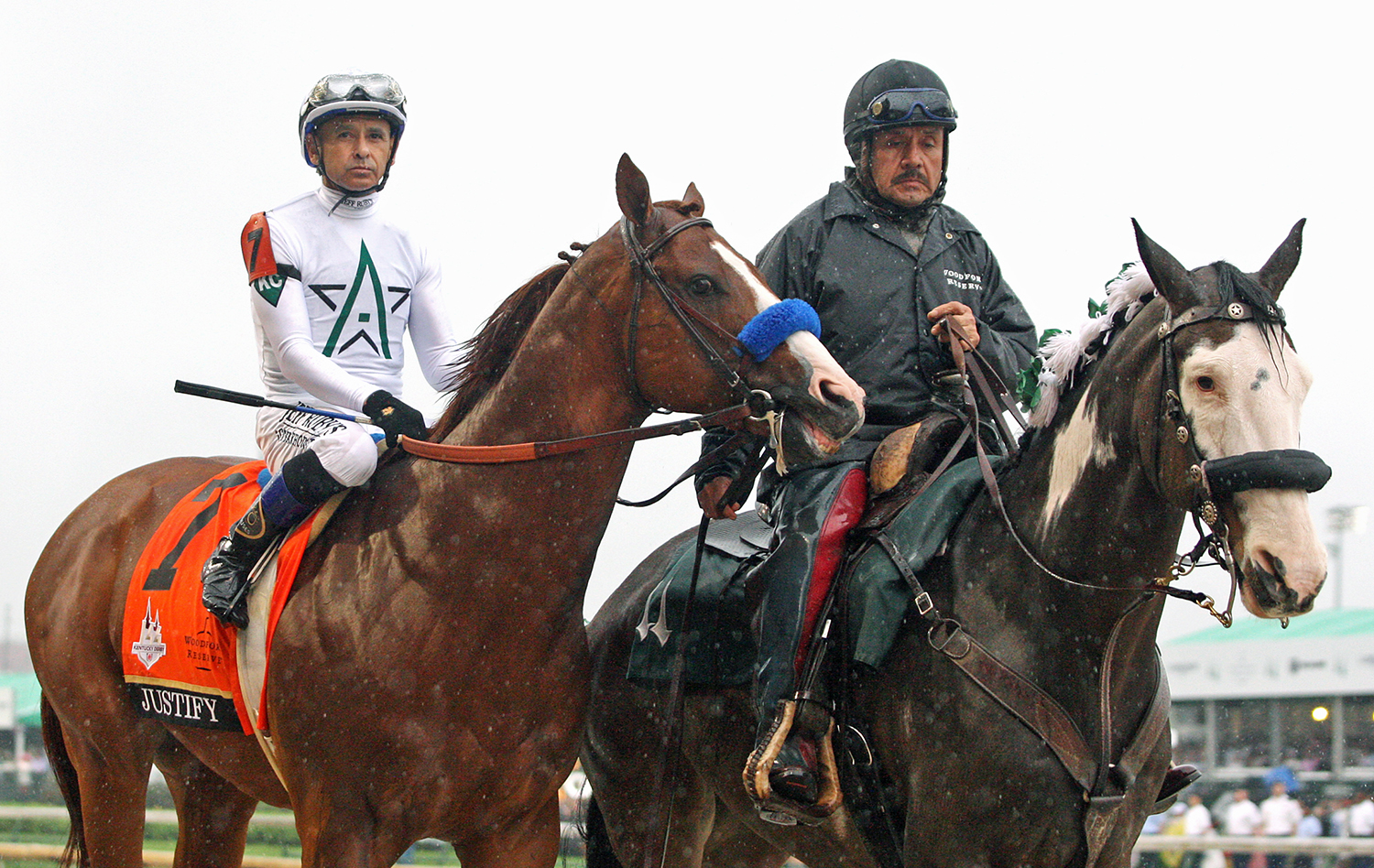
Over the years, Hall of Fame trainer Bob Baffert has called the Preakness Stakes the easiest of the three Triple Crown races to win, and he would know, having won the race six times, all since 1997.
The race has been a trickier nut to crack for bettors. Even when Kentucky Derby form has held up for the top spot in the Preakness, it has been a different story recently for the minor awards. One merely need think back to when eventual Triple Crown winner American Pharoah was followed across the wire by 28-1 longshot Tale of Verve in the 2015 Preakness for a lasting example.
That price-crashing performance by a longshot was repeated in the past two runnings, as 17-1 outsider Cherry Wine finish between the victorious Exaggerator and Derby winner Nyquist in the 2016 Preakness, followed by Senior Investment rallying to grab third at 31-1 last year behind Cloud Computing and Classic Empire. Even Cloud Computing was double-digit odds, going off at 13-1.
:: Get the Preakness All-Access package for just $29.95
In light of this history, and anticipating that Derby winner Justify will be a skimpy price to win in the Preakness next Saturday, I decided to comb through the past performances of the last few Preakness fields to find patterns that point to horses who could outrun their odds and fatten returns in the gimmicks.
What follows are some observations:
◗ Late-running new shooters have been more likely to get pieces in recent years, with Senor Investment, Cherry Wine, and Tale of Verve all coming from well off the pace.
This could be merely coincidental, but perhaps not. Over that three-year period, the Derby winners were all front-running types like Justify. And the connections of opposing horses, it seemed, didn’t want the Derby winner getting a free pass on the lead. So, lively paces ensued, though American Pharoah was good enough that it didn’t bother his performance.
The taxing pace of last year’s Preakness set the stage for Cloud Computing’s victory, with him stalking in a dream spot behind eventual runner-up Classic Empire, who did the dirty work of going head to head with Derby winner Always Dreaming. They paid the price, with Classic Empire losing a midstretch lead to get caught on the wire and Always Dreaming fading to eighth.
◗ Another interesting tidbit from recent editions of the Preakness is that horses who proved to be the better ones over the long term didn’t necessarily shine on Preakness Day.
Gunnevera, who since last year’s Preakness has done the best of any starter from 2017, could manage only a fifth at Pimlico. Last year’s Pacific Classic winner and Breeders’ Cup Classic runner-up, Collected, ran 10th of 11 in 2016. And Dortmund, one of the top 3-year-olds of 2015, was an ugly fourth in the slop behind American Pharoah.
I would not be surprised to see this trend continue given the uniqueness of the Preakness at Pimlico, a track over which few Preakness horses have any kind of significant experience, even in training.
No doubt, horses win all the time without having raced or breezed over a surface – Justify did so in the Kentucky Derby after merely galloping over the Churchill Downs track – but it’s been my experience that horses are less likely to produce a top effort on a track surface that is new to them.
Then you factor in that the Derby horses are running on two weeks’ rest following a taxing road to the Kentucky Derby, and there is yet more risk for regression.
This applies to Justify, too, who will be making his fifth start in three months in the Preakness. This is by no means ideal spacing, even for a horse who towers over his foes in size and talent.
:: Get the Preakness All-Access package for just $29.95
