

Handle down again in May
Wagering on U.S. Thoroughbred races continued to decline in May as racetracks slashed race dates to cope with a shrinking supply of horses, according to figures released on Saturday by Equibase.
Matt HegartyJun 04, 2011
Wagering on U.S. Thoroughbred races continued to decline in May as racetracks slashed race dates to cope with a shrinking supply of horses, according to figures released on Saturday by Equibase.
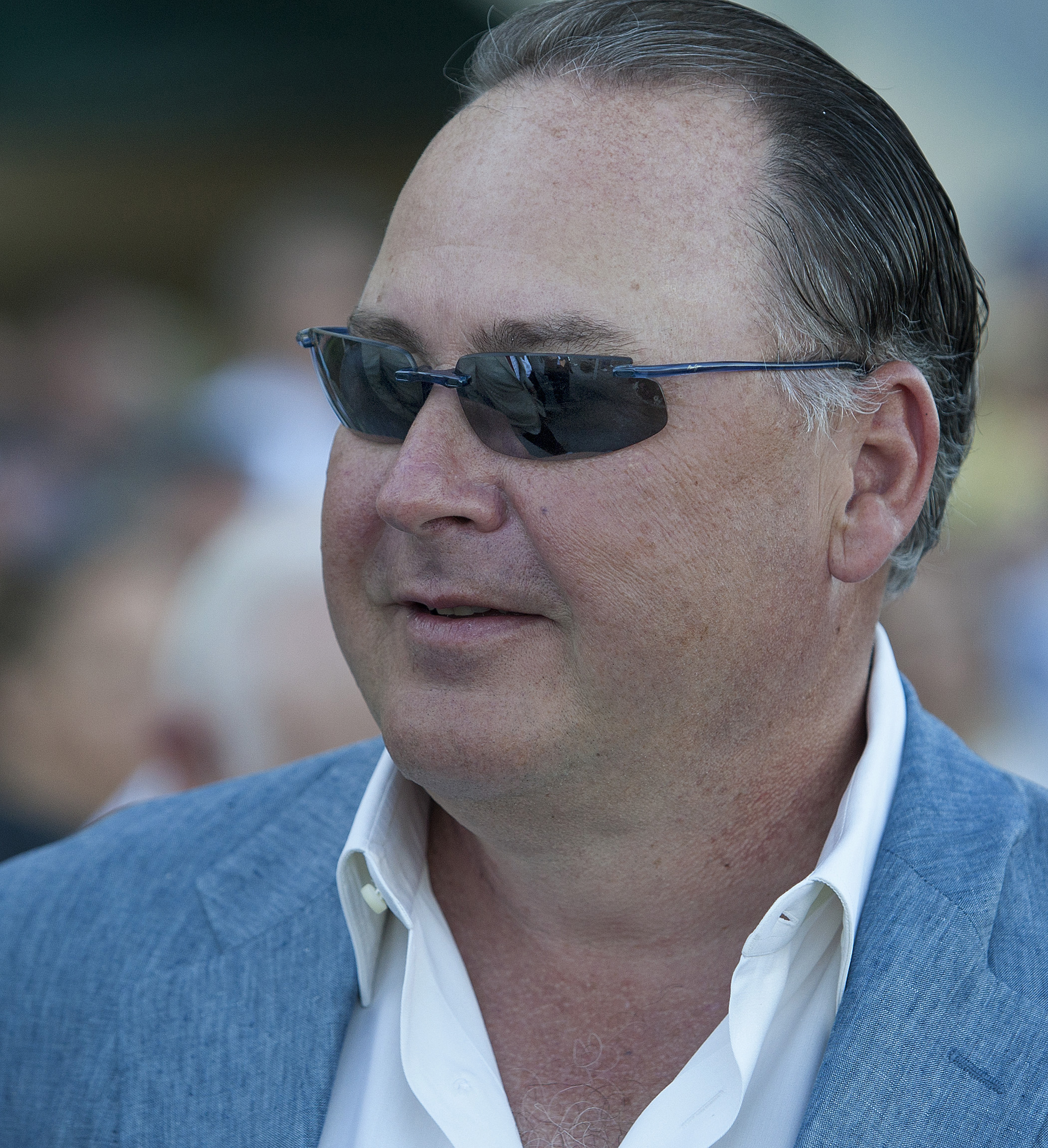
The first day of a hearing being conducted by the New York State Racing and Wagering Board over whether Richard Dutrow Jr.'s training license should be revoked lasted 4 1/2 hours. The hearing will continue on Thursday.
The Illinois House of Representatives passed legislation late Monday afternoon that would greatly expand gaming in the state while bringing slot machines to Illinois racetracks.
Subsidies to Thoroughbred and Standardbred purses at Pennsylvania racetracks dropped 16.7 percent in 2010 compared with 2009 as a result of a legislative decision to divert a portion of the revenue from slot machines to the state’s general fund, according to a report released Thursday by the Pennsylvania Gaming Control Board.
Proposed legislation to expand gaming in Illinois radically, including the introduction of slot machines to racetracks, was voted down in a House of Representatives committee by a 6-5 margin late Wednesday, but could soon return for another committee vote.
The racing and gambling assets held by MI Developments produced net income of $10.8 million on revenues of $173.9 million during the first quarter of 2011.
The strategy by Churchill Downs to branch out into standalone casinos and expand its account-wagering business is bearing fruit at a time when the racing industry is struggling mightily to retain its customers.
INGLEWOOD, Calif. – Trainer Jeff Mullins has been ordered to serve a 70-day suspension for a medication violation in 2006, the California Horse Racing Board ruled. The board made the ruling in an executive session on April 28, but did not release it until over the weekend.
Two congressmen who have previously supported federal efforts to regulate racing introduced legislation on Wednesday that would prohibit the use of raceday drugs and permanently ban trainers whose horses test positive for performance-enhancing drugs three times.
Handle on U.S. horse races tracked a 7.5 percent decline in race days by falling 7.6 percent in April when compared with the same month last year, according to figures released on Wednesday by Equibase, extending a long string of month-to-month declines that has shown no indication of abating.