

Harness: In-depth breakdown of Meadowlands purse account
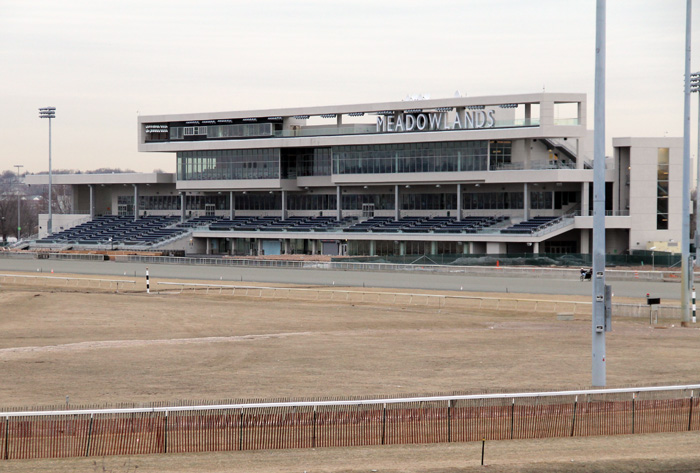
With the purse subsidy bill now signed by New Jersey Governor Phil Murphy, we can have a little fun in looking at what the purses at The Meadowlands can look like the rest of the year. But let’s take it beyond just the math of applying a percentage to the current purse structure and having that formula spit out a number.
[Editor's Note: Meadowlands has announced a $40,000 per card purse increase for March and another $40,000 for each program in April.]
First and foremost, The Meadowlands should allocate the lion’s share of the purse subsidy to the time of year when they are competing with the Pennsylvania tracks for horses. For the purposes of the balance of this year, assuming a March 1st start to the purse increase, The Meadowlands should appropriate 75% of the funds to the Spring/Summer meet, which from March 1st through Hambletonian Day is comprised of 46 race dates. That would increase the daily purses by a total of $114,000. Assuming six racing dates in September, those dates can receive 10% of the new funds with 15% percent of the funds used for the 18 dates in November and December, when there is less competition.
I think one of the mistakes that racetracks have made in years past when applying subsidies to their purse structure was not diving into the conditions and applying increases according to some analytical thinking. For example, it is my belief that lower-level claiming races and lower-level condition races should not be increased at the same level as upper-level races. This might sound harsh to some horsemen, but there is a reason behind that theory.
By increasing the purses of lower-level claiming races, you are actually benefiting the larger stables. The larger purses will cause the larger stables to drop horses for a lower claiming price than usual and the smaller stables will not be able to compete with that horse. A $7,500 claimer should not be racing for almost double its value every week.
In addition, The Meadowlands should allocate more of an increase to races for younger horses in the lifetime conditions. This will help the horsemen that purchases yearlings at the sales and will help the sales as well. There is a reason a Maiden Special Weight at thoroughbred racetracks in New York goes for $75,000 to $100,000.
Here is what my condition sheet would look like at The Meadowlands:
|
Condition |
|
March-August |
September |
Nov – Dec |
|
Claiming - $7,500 (NJSO) |
|
9000 |
9000 |
8000 |
|
Claiming - $10,000 (NJSO) |
|
11500 |
11500 |
10000 |
|
Claiming - $10,000 - $12,500 |
|
12500 |
12500 |
11500 |
|
Claiming - $15,000 - $17,500 |
|
15000 |
15000 |
13000 |
|
Claiming - $20,000 |
|
18000 |
18000 |
15500 |
|
Claiming - $25,000 - $30,000 |
|
21500 |
22500 |
18500 |
|
Claiming - $40,000 - $50,000 |
|
26000 |
26000 |
22500 |
|
NW 1 |
|
18000 |
18000 |
15000 |
|
NW 2 or $25,000 Lifetime |
|
20500 |
20500 |
17500 |
|
NW 3 or $50,000 Lifetime |
|
23000 |
23000 |
21000 |
|
NW 4 or $75,000 Lifetime |
|
25000 |
25000 |
24000 |
|
NW3500 Last 5 |
|
10000 |
10000 |
9000 |
|
NW5000 Last 5 |
|
12500 |
12500 |
10500 |
|
NW8500 Last 5 |
|
16500 |
16500 |
14000 |
|
NW11500 Last 5 |
|
21000 |
21000 |
17500 |
|
NW15000 Last 5 |
|
23500 |
23500 |
21000 |
|
NW22500 Last 5 |
|
27500 |
27500 |
24500 |
|
Preferred |
|
35000 |
35000 |
30000 |
|
Open |
|
45000 |
45000 |
40000 |
|
2YO NW1 |
|
20000 |
20000 |
17500 |
|
2YO NW2 or $30,000 |
|
23500 |
23500 |
20000 |
|
2YO NW3 or $50,000 |
|
26500 |
26500 |
23500 |
|
2YO NW4 or $80,000 |
|
30000 |
30000 |
27500 |
|
2YO OPEN |
|
35000 |
35000 |
30000 |
|
3YO OPEN |
|
40000 |
40000 |
35000 |
The biggest increases are for the lifetime conditions for younger horses. Those purses are increased an average of 73.9% during the season of the most competition and an average of 50.5% during the winter.
The Preferred level has a 66.7% increase during the competitive season and 42.8% during the winter. That increase in the Preferred also leads to an Open level of $45,000 which is on-par with Yonkers Raceway.
The upper-level claiming races and upper-level condition events would realize an average increase of 55.1% during the competitive season and 31.7% during the winter.
The lower-level events would see the smallest increases for the reason I outlined earlier in this column. That said, during the months of the most competition, those races would still be contested for an average of 31.4% more money and 15% more in the winter months. I will address a compromise to this at the end of this column.
The last move that I think The Meadowlands should make is a change to the draw schedule. As it stands right now, The Meadowlands closes their entry box on Tuesday morning for the Friday and Saturday races, while Yonkers closes Monday afternoon. In years past, that was a non-issue because the purses at Yonkers were much larger and the thought process was, if a horse didn’t get in at Yonkers, perhaps he would enter at The Meadowlands. Given the increased purse structure at The Meadowlands and the fact that many trainers that race at Yonkers are not permitted to race at The Meadowlands, there could be an opportunity for The Meadowlands to jump in front of Yonkers in the draw schedule as opposed to waiting for the horses that do not get in at Yonkers. It is possible that some of the trainers who race their good horses at Yonkers and are allowed to participate at The Meadowlands, could prefer to enter those horses at The Meadowlands with their new purse structure and tougher restrictions on trainer participation.
Some on Twitter have said it would be wrong of The Meadowlands to not apply the same large increase to the lower-level horses, claiming they would be abandoning the owners that supported the racetrack when all of the better horses were taken elsewhere. I understand that sentiment. But racing cheaper horses for large sums of money is not a good business practice. It opens the door to bigger stables dominating those races, as I mentioned earlier. I also don’t believe it is in the best interest of the horse. A trainer could be more inclined to race a horse that perhaps could be better served with some time off, if he is racing for twice what he is actually worth. That said, The Meadowlands could provide more incentives for mini-series designed for these lower-level horses. The “Dash For The G-Notes” has always been popular and well received by horsemen. I see no reason why that cannot be continued and improved, offering more money for the final and consolation of those mini-series.
As we are on the cusp of a new age at The Meadowlands, I am looking forward to seeing the product put forth in East Rutherford. The industry as a whole is not where it was 25 years ago, so it would be unfair to have those kind of expectations for just The Meadowlands. There are fewer owners and fewer horses right now. But there will be major improvement in the product and because it is The Meadowlands, I anticipate the bettors will respond.