
Field size grows quickly since dates agreement
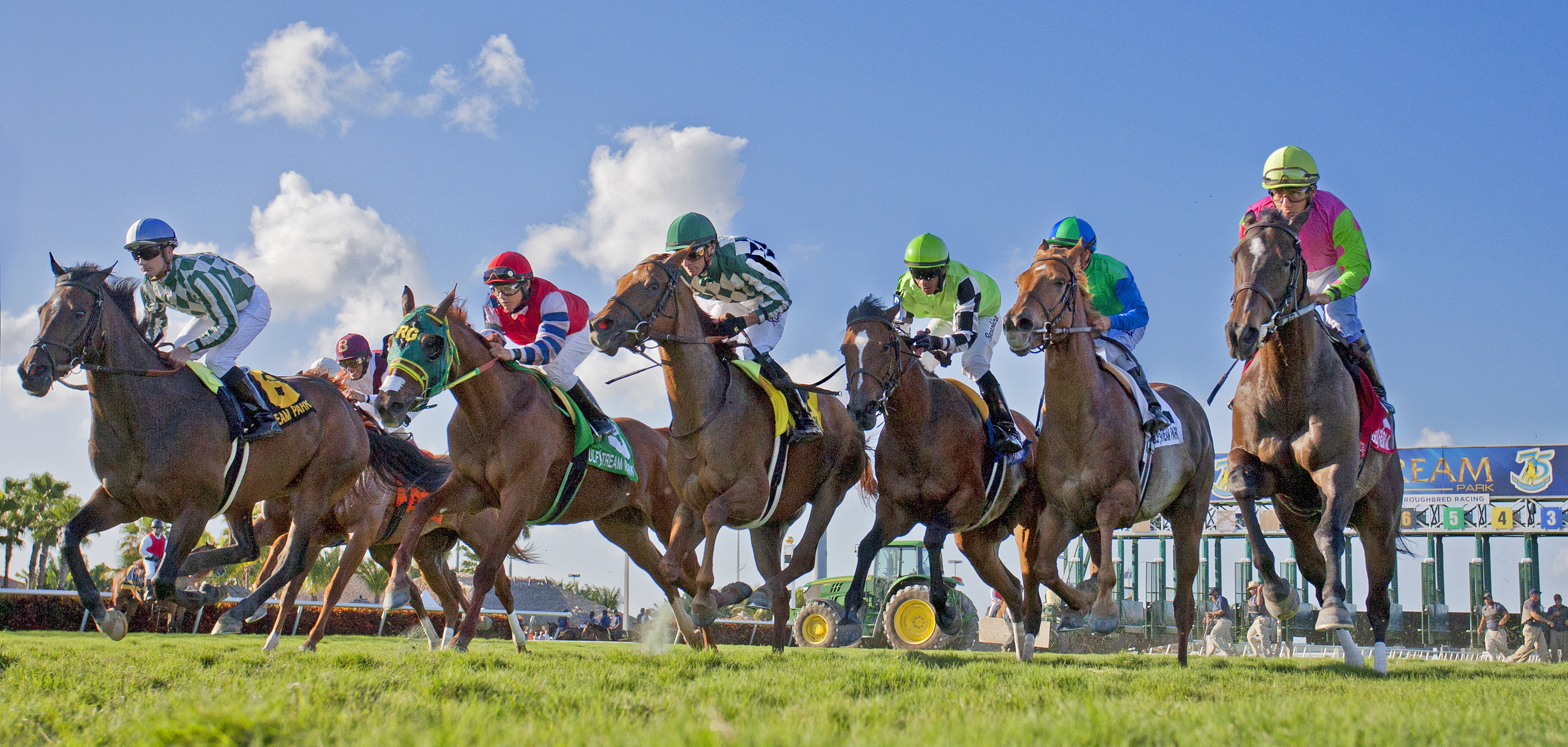
The dates agreement between Gulfstream Park and Calder Race Course, finalized last week after months of negotiations, put an end to the agonizing one-year, head-to-head conflict between the two tracks. The positive effects have been reaped immediately in terms of field size and the overall improvement in the racing product for horsemen and horseplayer alike.
Both Gulfstream Park director of racing P.J. Campo and track president Tim Ritvo were glowing over the response they have received at the entry box from locally based trainers and those who will spend the remainder of the year stabled at Calder.
This weekend’s cards are a prime example, with field sizes averaging 11.4 for Saturday’s 11-race program, including also-eligibles, and a staggering 12.2 for Sunday’s 10-race card.
“The response at the entry box since the deal was completed has been tremendous,” said Campo. “Obviously, this is all new to us, summer racing here on a four-day-a-week basis, but we have 2,000 horses at our disposal right now, the book races are going, and everyone is getting a chance to run, from stakes races all the way down to claiming races.”
Purses have been generous since July 1, averaging $268,000 per day through July 6 and more than $220,000 again this week. Business continues to be brisk this summer, with the Gulfstream signal on most days the third-highest in the country in terms of overall handle behind only New York and California, according to Ritvo. And the future looks even brighter.
“Once Saratoga closes, we’re expecting an immediate influx of horses from up north,” said Campo. “We’ll be reopening Palm Meadows in September, and I’ve already talked to trainers like Todd Pletcher, who said he expects to send a bunch back down at that time, and Christophe Clement, who plans to be a big supporter of our stakes program when we switch over to Calder during the fall.”
Ritvo said he always felt the overall landscape of south Florida racing would improve dramatically once the conflict between Gulfstream and Calder was eliminated.
“Our hope has always been to create a stronger summer racing program in Florida,” said Ritvo. “Our field sizes have quickly grown over the last two weeks and are the largest in the country this weekend. Now that we are racing four days a week, we expect the quality of our racing to continue growing with our weekend stakes and upcoming Florida Sire Stakes series. We’re optimistic that we can once again build a vibrant summer program in Florida.”
Gulfstream will host the rich and popular Florida Sire Stakes program for 2-year-olds, previously called the Florida Stallion series at Calder, for the first time this summer.
Sunday’s feature is a prime example of how field sizes have grown almost overnight, with the entry-level allowance at a mile luring 14 starters vying for a $32,000 purse.
The Calder-based Native Gold, trained by Kirk Ziadie, likely will be favored coming off a second-place finish going seven furlongs here just two weeks ago. Native Gold was a beaten favorite that day, proving no match for runaway winner Golden Jason. The red-hot Bahia Via, who has won his last three starts by a combined 22 lengths at Calder, and Argosy are among the other key contenders.
◗ Edgar Zayas extended his lead in the jockeys’ standings after posting a hat trick Thursday. Zayas has ridden nine winners since the new meet began July 1, four more than Edgar Prado, who has registered five wins from just 10 mounts in his limited appearances in south Florida this summer.