

Del Mar raises purses retroactively due to strong handle
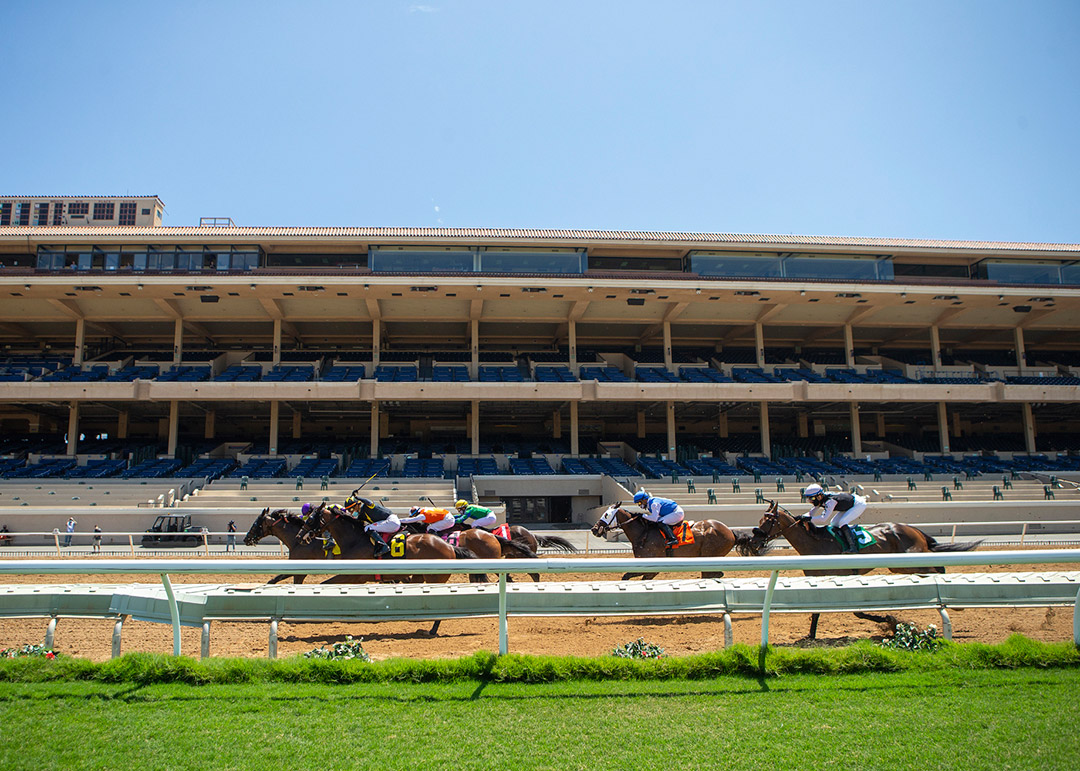
Del Mar has retroactively raised overnight purses 10 percent from the start of the summer meeting on July 10, restoring most of a reduction made earlier this year because of the coronavirus pandemic.
The purse increase was announced on Thursday, made possible by strong handle from account-wagering sources. Through Monday, the seventh day of the season, total all-sources handle was $133.8 million compared to $126.9 million in the first 11 days of the 2019 summer meeting, track president Josh Rubinstein said earlier this week.
The track has miniscule ontrack handle, and is primarily drawing wagering revenue from simulcast handle at offtrack betting locations and account-wagering sources. The track is operating this summer without ontrack spectators, although it will begin allowing a small group of owners to attend beginning this weekend.
With the increase, purses for maiden special weight races will rise from $50,000 to $55,000. The same race was worth $61,000 at the 2019 summer meeting. A $25,000 claiming race for nonwinners of two will have a purse of $22,000, compared to $20,000 at the start of the meeting and $25,000 last year.
The $75,000 Del Mar Juvenile Fillies Turf for 2-year-olds at a mile has been restored to the stakes schedule and will be run on Sept. 6. The race was not part of the stakes schedule published in the spring. In 2019, the Juvenile Fillies Turf was worth $100,000.
Earlier this year, the track announced significant reductions in purses for stakes due to an anticipated decline in handle caused by the coronavirus pandemic. Del Mar’s richest annual race, the Grade 1 Pacific Classic, will be worth $500,000 on Aug. 22 compared to $1 million in past years.
Through Monday, Del Mar had conducted seven days of racing, two fewer than scheduled. There was no racing on the week of July 17-19 because of a coronavirus outbreak among jockeys. Monday’s program was added to the schedule as a makeup day, with all-sources handle reaching a robust $11.6 million.
Rubinstein said earlier this week that the track is considering adding an additional day of racing before the conclusion of the meeting on Sept. 7, but that no decision had been reached on a specific day.
An increase in field size has played a strong role in the increase in handle. Through Monday, fields averaged 8.6 runners per race compared to 7.87 runners in the first two weeks of the 2019 summer meeting, which ended with an average of 7.99 runners per race.