

Churchill Downs Inc. declines to pursue casino for Arlington
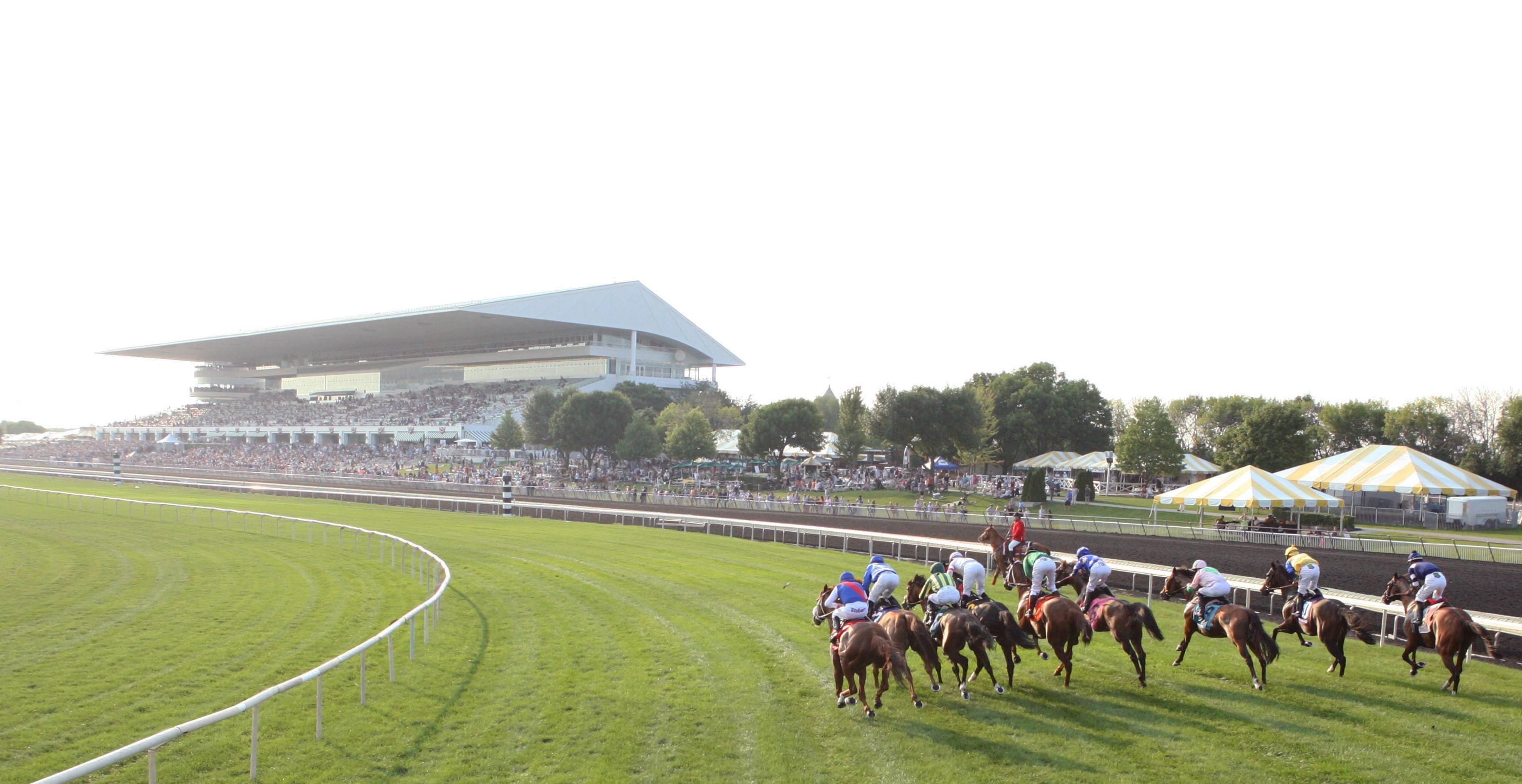
CHICAGO – Hawthorne Racecourse and Fairmount Park applied Monday for the maximum number of slot machines and table games granted them under gambling-expansion legislation signed into law this summer, but Churchill Downs Inc., parent company of Arlington International Racecourse, announced in a Wednesday morning press release that it had declined to apply for a casino license.
The announcement struck a heavy blow to a struggling Illinois racing industry, which less than two months ago gratefully grasped the gambling-expansion bill as a lifeline for survival. With Arlington at the vanguard, Illinois horsemen and track operators for well more than a decade futilely lobbied state government to permit them to operate casinos. Now, CDI’s position could lead to the cessation of racing at Arlington, easily the most important track in Illinois.
“The economic terms under which Arlington would be granted a casino gaming license do not provide an acceptable financial return and we cannot responsibly proceed,” Bill Carstanjen, CEO of CDI, said in the release.
The release said Arlington will “conduct horse racing in 2020 and 2021 and also will apply for a sports betting license while longer-term alternatives are explored . . . All options will be considered, including moving the racing license to another community in the Chicagoland area or elsewhere in the state.”
It’s the Illinois Racing Board, however, that awards racing dates. The 2020 dates awards meeting is Sept. 18, and while Arlington seems likely to host a meeting next year, all bets are off regarding the track’s future beyond then.
Carstanjen cited saturation of the regional gambling market and what CDI asserts is an untenable tax rate as reasons to forgo the casino. After deducting purse money from casino revenue, Carstanjen said, Arlington’s effective tax rate would be “approximately 17.5 percent – 20 percent higher than existing Chicagoland casinos.”
Carstanjen also referenced “unviable horse racing requirements” written into the legislation. One provision of the bill ends a longstanding purse-account deduction taken by track operators known as recapture one year after a track casino opens. Illinois tracks in 2018 deducted more than $11 million in recapture.
CDI last year became a majority owner of the state’s largest casino, Rivers, which sits about 13 miles from Arlington, an acquisition viewed by many as a signal CDI had lost interest in an Arlington casino. Rivers will add 400 positions through the gambling bill, and CDI is seeking an interest in a new casino in Waukegan.
“We are stunned and profoundly disappointed in their decision not to pursue supplemental gaming at Arlington,” said David McCaffrey, executive director of the Illinois Thoroughbred Horsemen’s Association. “For more than a decade, Arlington has lobbied Illinois governors and legislatures for casino games to boost revenue and purses. All the things they cited apparently didn’t bother Hawthorne and Fairmount.”
Hawthorne applied for 1,200 gambling positions, Fairmount 800, the most each track can receive under the law.
“We couldn’t be more excited,” Hawthorne president Tim Carey said Wednesday. “It’s been a long time coming.
Carey only learned of CDI’s plans Wednesday morning and said the decision was “unfortunate for horse racing in Illinois.”
“We need this gaming in order to keep horse racing going,” he said.
It’s possible CDI hopes the legislature will rework the gambling bill and create terms more favorable for an Arlington casino. Applications for new casinos aren’t due until Oct. 28, and prominent casino companies earlier this month said the tax rate set for a venue within Chicago city limits – the crown jewel of the gambling bill – is higher than the market will bear. Those concerns could prod the legislature to revisit the bill during a fall veto session that runs six days in late October and early November.
If the bill remains unchanged and CDI’s position holds, it’s difficult to see how Arlington persists. Purses at Illinois tracks have languished as adjacent states like Indiana, Minnesota, and Iowa offer prize money heavily subsidized by casino revenue. The ITHA projects Arlington’s purse account to be $1.3 million to $1.5 million overpaid by the end of the current race meet. There’s been speculation CDI could sell Arlington to a casino and racing operator, but the gambling-expansion legislation doesn’t appear to contain any mechanism for a new owner to submit a late application for a casino license. Without gambling other than racing, Arlington would have minimal appeal to buyers other than residential or commercial developers.