

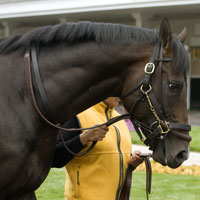
Chelokee, Grade 3 winner and Arizona sire, dies at age 10
Grade 3 winner and sire Chelokee died May 2, per the University of Arizona Equine Science Program Facebook page. The son of Cherokee Run was 10.
DRF Breeding StaffMay 05, 2014
Grade 3 winner and sire Chelokee died May 2, per the University of Arizona Equine Science Program Facebook page. The son of Cherokee Run was 10.
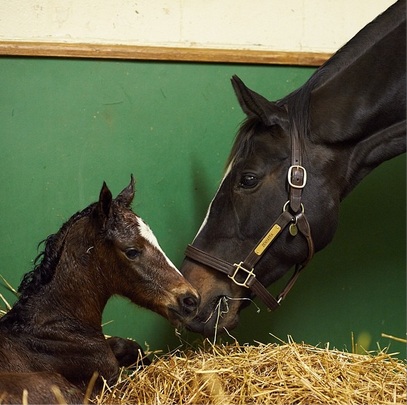
Zenyatta, the 2010 Horse of the Year, will not be bred in 2014, according to a news release on the horse’s official website.
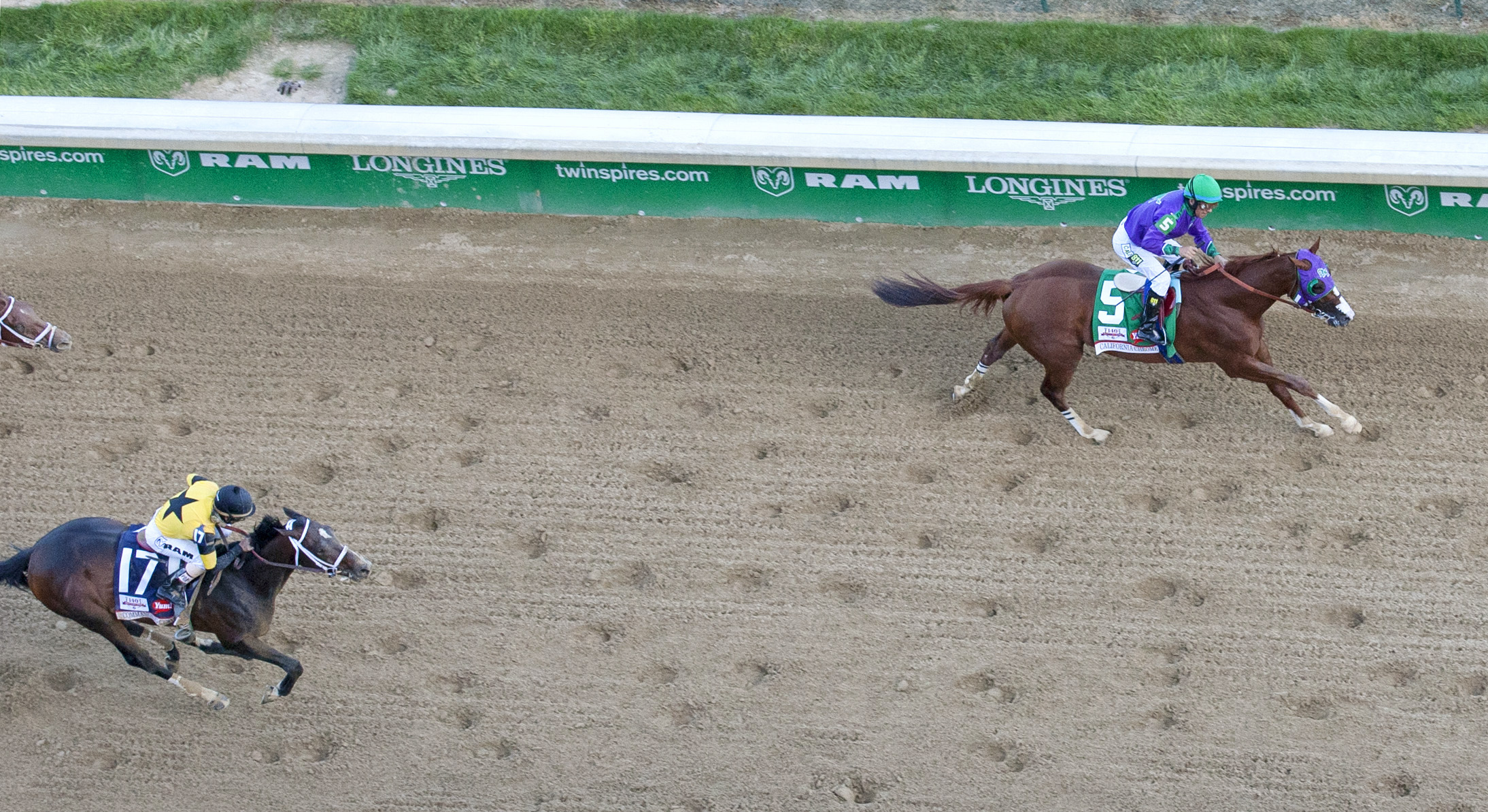
Much has been written about California Chrome’s pedigree over the past three months, ever since the 3-year-old son of Golden State stallion Lucky Pulpit drew raves with a 5 1/2-length victory in the California Cup Derby on Jan. 25 at Santa Anita.
A Kentucky Derby victory is awfully hard to top as a birthday present. But Steve Coburn, who turned 61 on Saturday, has his sights set even higher with California Chrome, the 3-year-old colt he co-bred and co-owns with Perry Martin.
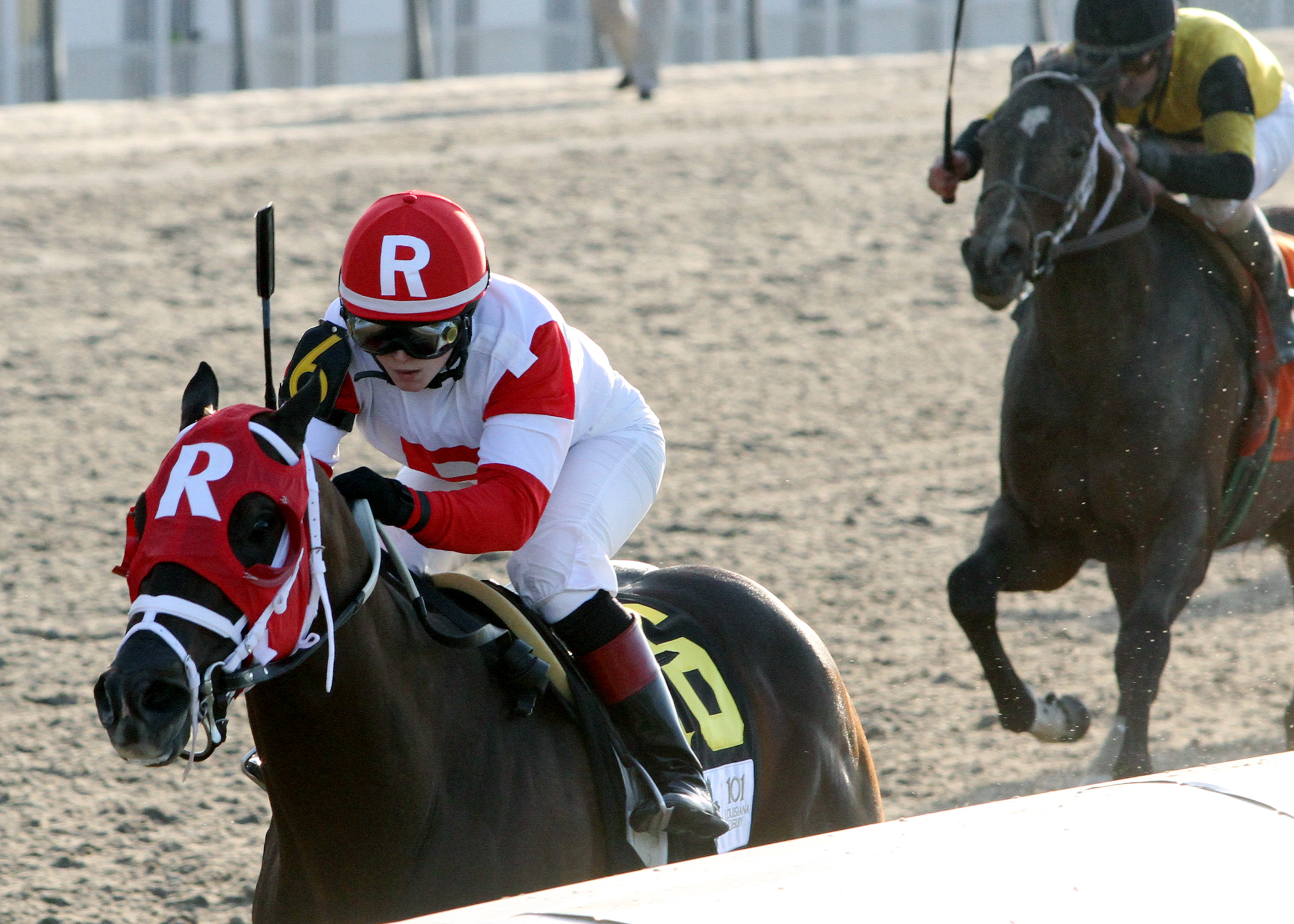
"He was very small as a yearling,” Toothaker said of the colt who would become Kentucky Derby contender Vicar’s in Trouble. "I really was barely getting any interest whatsoever."
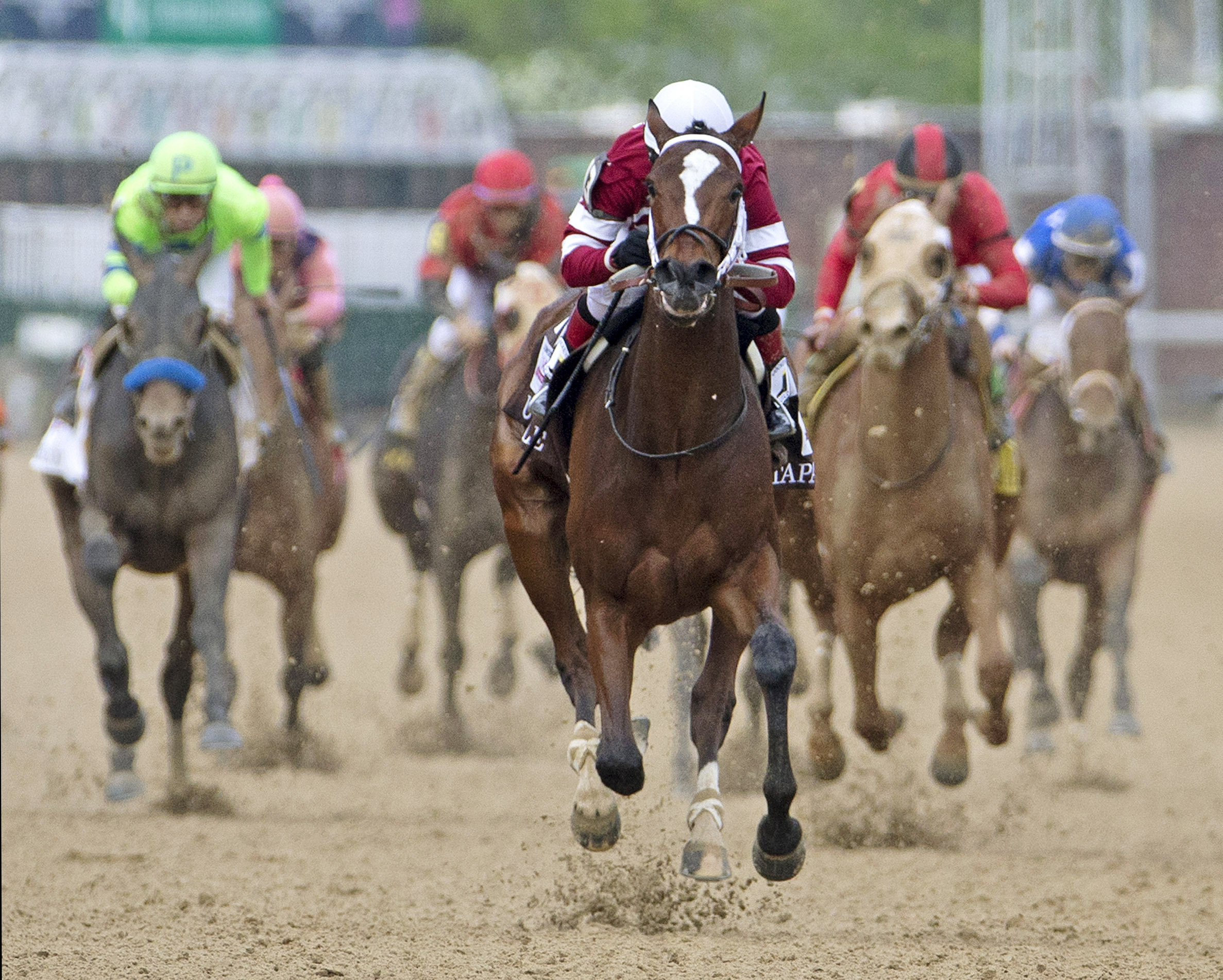
Even-money favorite Untapable proved emphatically that she is the best of her class in the Kentucky Oaks on Friday, and gave the Winchell family, long a major presence in American racing, its second Kentucky Oaks win after Summerly in 2005.
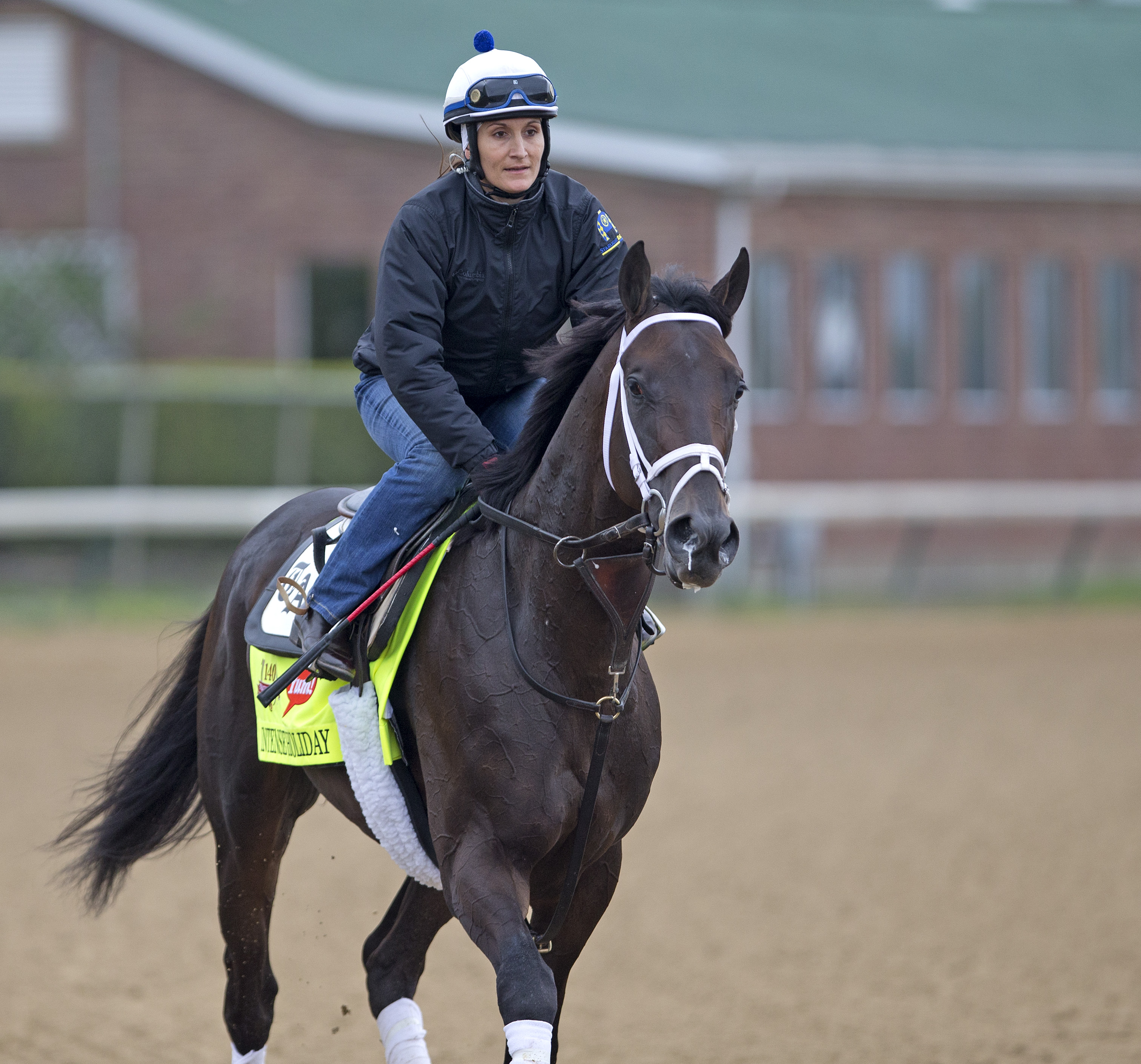
No matter their résumé heading into the race, each horse in the Kentucky Derby field will be entering uncharted territory on Saturday when they stretch out to a mile and a quarter.
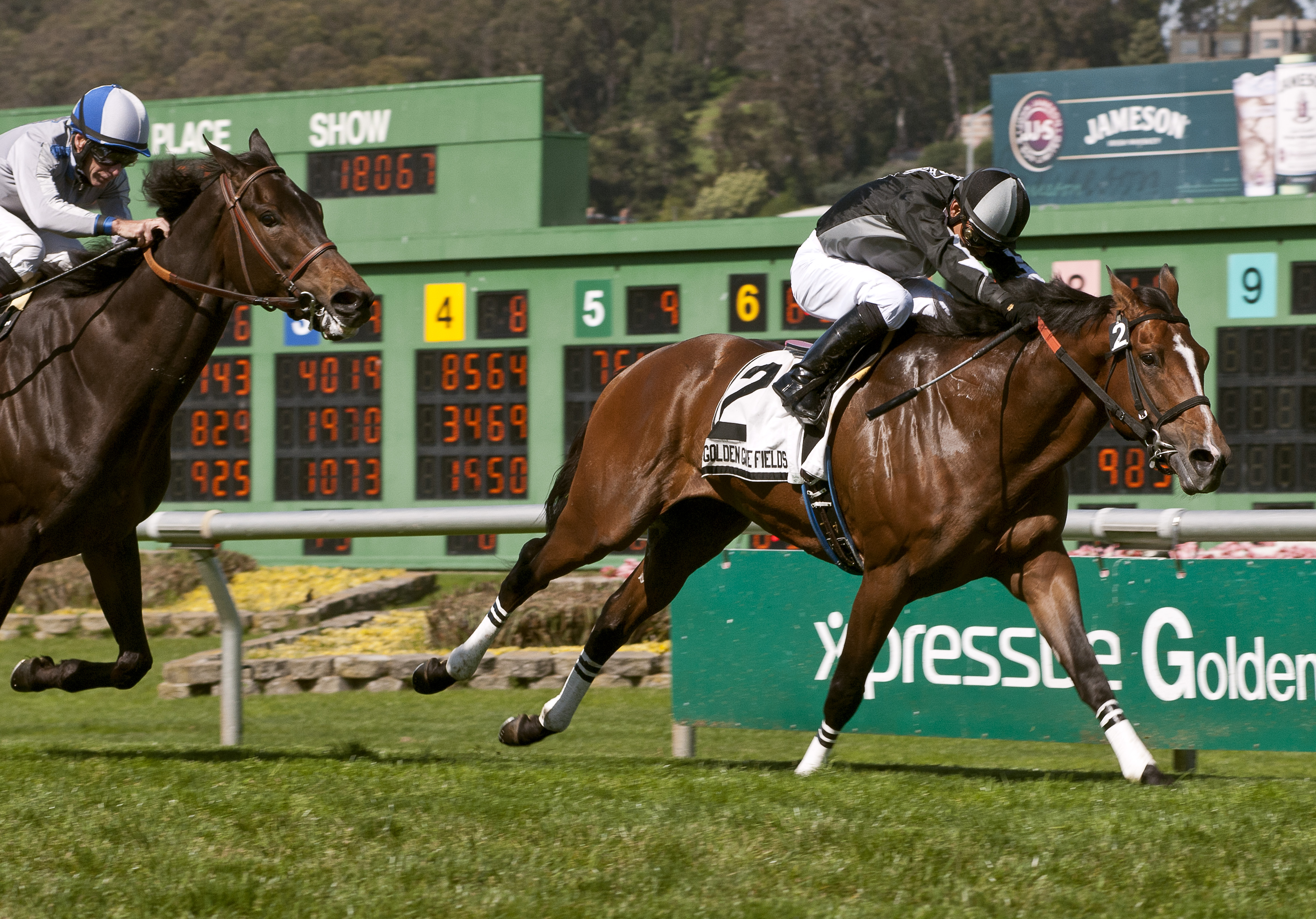
One of the primary markers of the long-term influence of great stallions is whether they can withstand close inbreeding. Popular sires of sires inevitably become natural, almost unavoidable, subjects of inbreeding, and if such inbreeding is successful, that stallion’s influence on future generations multiplies. If not, the stallion’s influence will fade somewhat over time.
Tribal Rule, one of California’s leading sires, died Thursday at Ballena Vista Farm in Ramona, Calif., after suffering a heart attack. He was 18 years old.
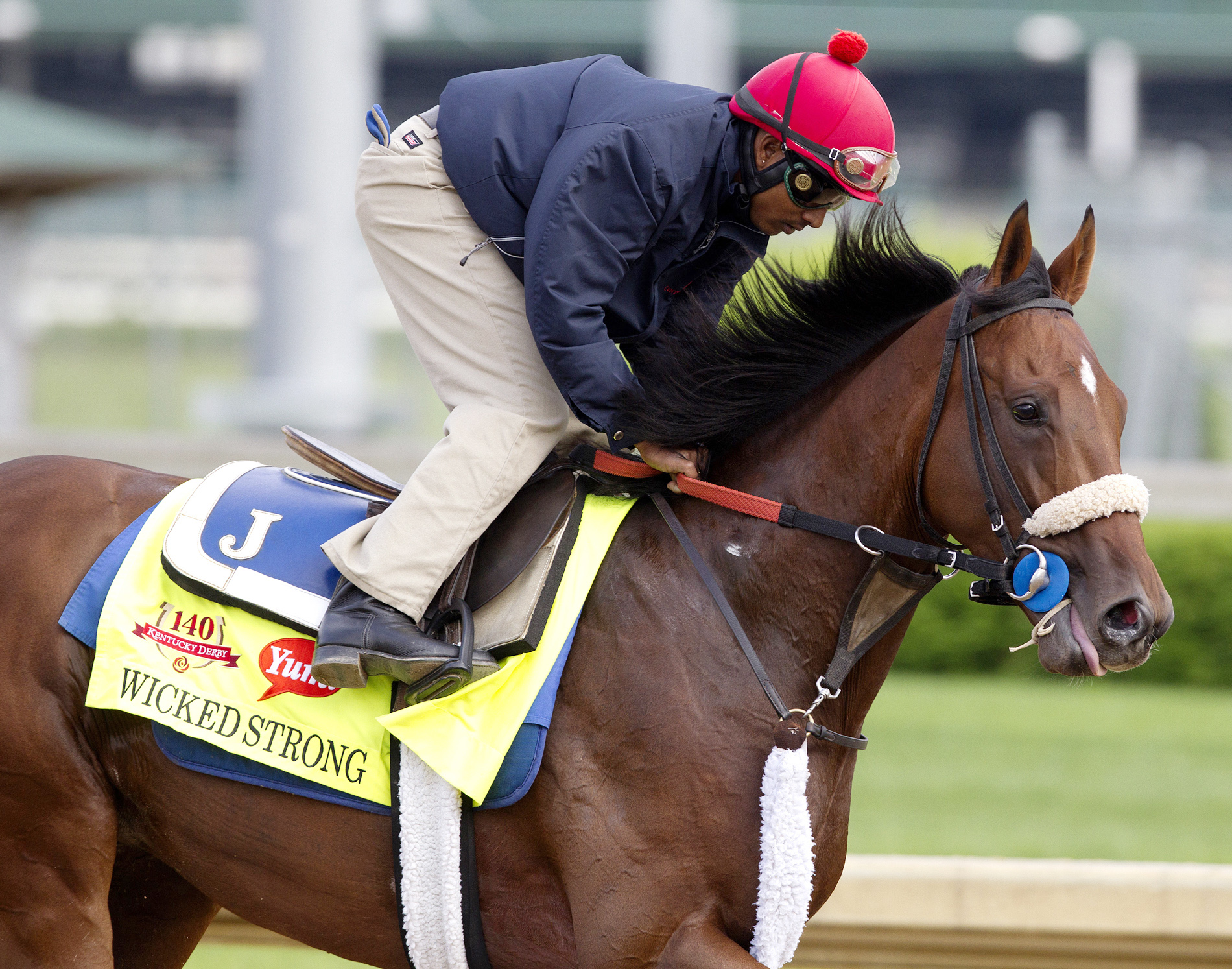
DRF Breeding staff writer Joe Nevills analyzes the Kentucky Derby field, in post position order, in the form of Haiku; a Japanese poem of 17 syllables, in three lines of five, seven, and five.