

Baffert attorneys provide draft lawsuit to Churchill
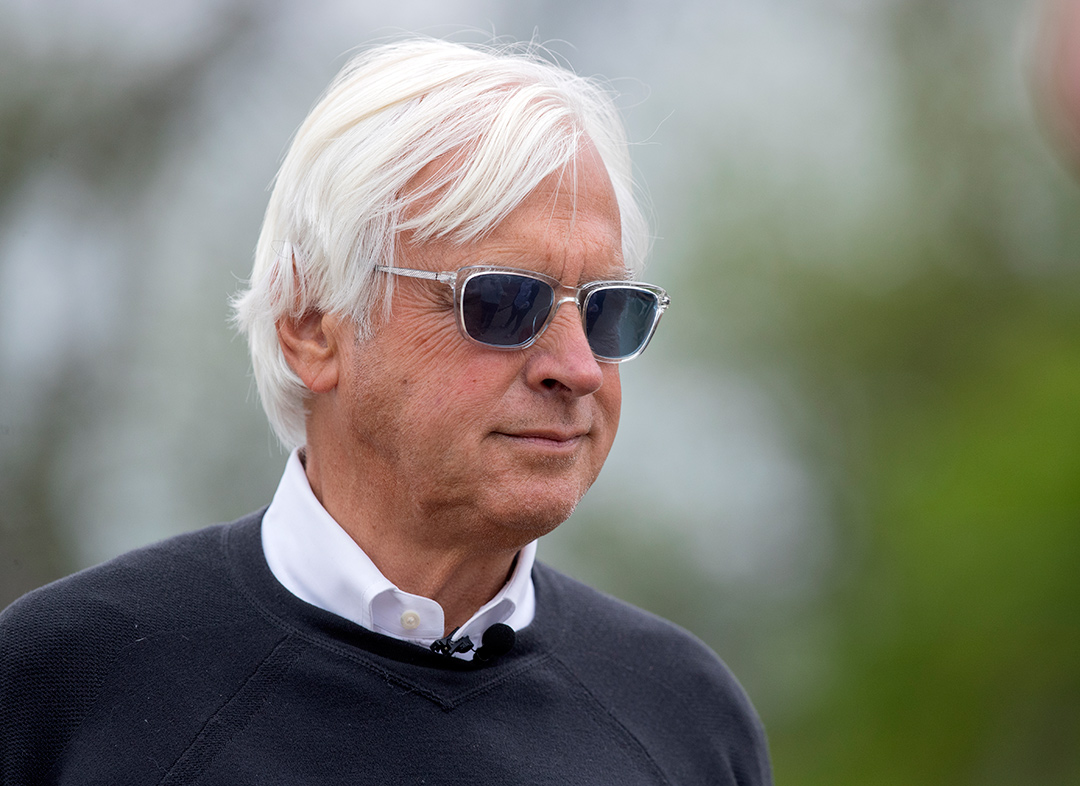
Attorneys for Bob Baffert have sent a draft lawsuit to Churchill Downs laying out a legal challenge to the company’s decision to ban the trainer from the Kentucky Derby through 2023, according to a report in The New York Times.
The draft complaint contends that Churchill Downs has violated the trainer’s due-process rights, according to the Times, a common tactic employed by trainers fighting exclusions from racetrack properties. Results from cases in the past arguing the same denial of due-process rights from private companies have a mixed record of success and failure.
According to the Times, Churchill officials called the draft lawsuit “completely meritless,” quoting Bill Carstanjen, the company’s chief executive officer.
“This threatened lawsuit is yet another tactic from Mr. Baffert’s well-worn playbook of obfuscating facts, inventing excuses to explain positive drug tests, and attempting to blame others to avoid responsibility for his own actions,” Carstanjen told the Times.
Churchill banned Baffert for two years shortly after the trainer acknowledged that Medina Spirit, last year’s Kentucky Derby winner, tested positive for betamethasone after the race. Betamethasone is a regulated corticosteroid, commonly used as an anti-inflammatory for joints. Baffert and his attorneys have contended that the positive was due to the use of a skin ointment containing the drug.
The case has not yet been adjudicated by Kentucky regulators.
In its ban, Churchill has said that Baffert created reputational harm for the track and its most famous race, the Kentucky Derby. The track has also tweaked its points system for determining eligibility for the Derby by prohibiting any horse trained by Baffert from earning any points in the designated races leading up to the race. The ban also cited a positive test in 2020 by the Baffert-trained Gamine for the same medication after running third in the Kentucky Oaks.
Baffert’s attorney in the Churchill matter, Clark Brewster, told the Times that the draft lawsuit was intended as a “centerpiece for discussion.”
“It was intended to generate honest discussion and avoid litigation,” Brewster said. “There is nothing wrong with the complaint. The facts are in our corner. It has been rebuffed and they have invited litigation, and that’s where we will be.”
Baffert’s attorneys successfully challenged a ban by the New York Racing Association last year, but the ruling in that case hinged on NYRA’s unusual status as a state entity. Private companies have far broader rights than state actors in banning individuals from their premises.
NYRA has since approved protocols for conducting internal hearings prior to issuing a ban. The association has served Baffert with a complaint, and a hearing is scheduled to begin Jan. 24.