
Arlington Heights Board of Trustees vote signals intent to play role in future track land use
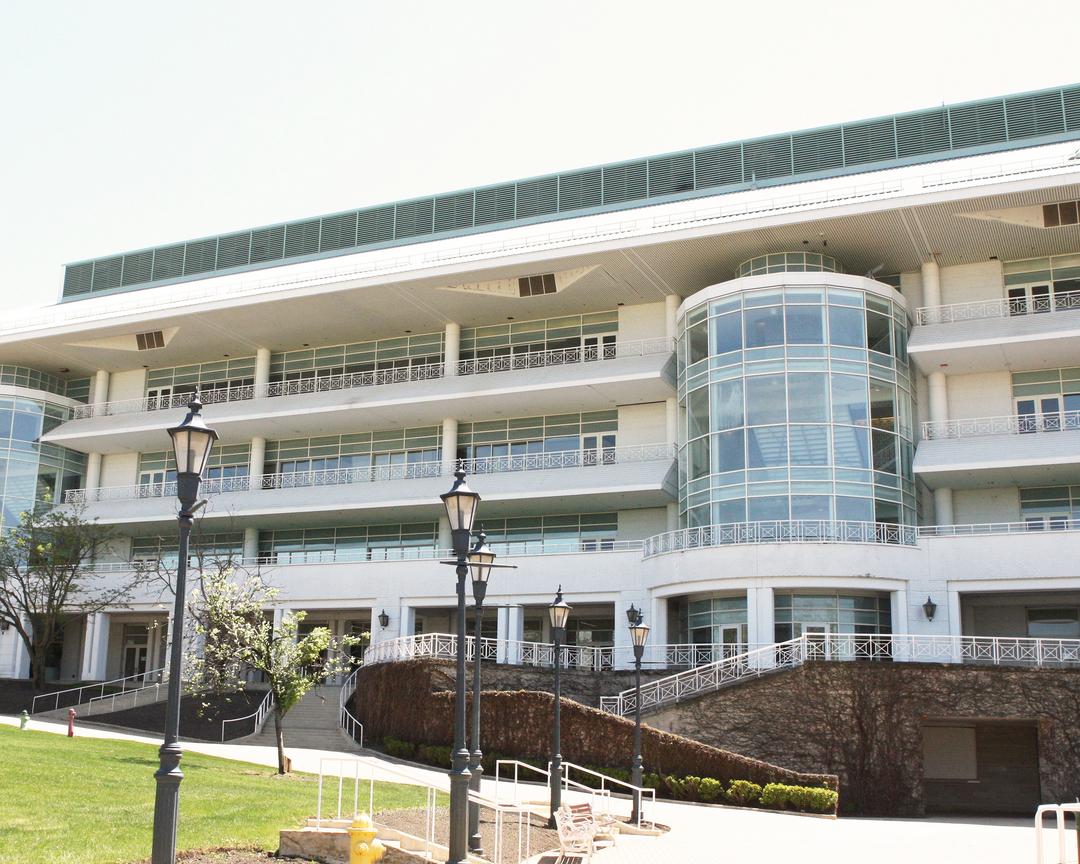
The Arlington Heights Board of Trustees on Monday night passed resolutions signaling that local government will attempt to play a role in determining what uses will be allowed for the Arlington Park property if and when it is sold by Churchill Downs Inc.
By unanimous vote, the board passed an ordinance that will prevent Churchill Downs from attaching any restrictions on the use of the Arlington Park property as a condition of its sale, such as prohibiting a buyer from operating a casino or racetrack on the 326-acre site.
During the discussion of the ordinance, board members repeatedly said that they supported racing operations at the property, with one trustee, John Scaletta, saying that the racetrack was “important to the identity” of the village, located northwest of Chicago’s city center.
“We want to make sure that the village is doing all it can do to preserve the option of horse racing being part of the site going forward with future property owners,” said Randall Recklaus, the village manager, prior to the vote being taken. “The idea is to keep all the options on the table.”
:: Join DRF Bets and get ready to watch and wager on the Preakness with a $250 first deposit bonus
Churchill Downs announced that it would begin taking bids on the Arlington property earlier this year, and the company has indicated that it believes it can obtain the highest price for the site as a redevelopment option. Churchill officials said on a conference call last week that they expected the bidding period to remain open until June, at which point the company would begin to evaluate its options.
The potential loss of Arlington as a racetrack has rubbed the board of trustees the wrong way, according to Scaletta, who criticized Churchill for declining to bid on a casino at the track when the process was open for licenses.
At the time, Churchill had just recently bought into a casino 15 miles from the track. Critics of the company’s decision to sell Arlington have maintained that the company did not bid on a casino license at the track in order to protect its investment in the casino, called Rivers Casino, which generates the most revenue of any casino in the greater Chicago area.
“This village board supported a letter to the legislature to announce the fact that Arlington Park was very important to this community, that additional gaming was very important to this community,” Scaletta said. “Churchill Downs found it was not favorable to their position. It’s unfortunate because the track is so important to our village for many different reasons. We don’t want to see the track go away, but that’s not up to me.”
“We are preventing Churchill Downs from basically saying that it can never be sold because of some competition that could happen to Rivers,” said trustee James Bertucci.
In response to a request for comment on the board’s actions, Churchill said it “will continue to let the market speak for what is ultimately the highest and best use of the Arlington property in the hopes that the land can be used to create an economic opportunity for the region.”
A number of racing-related bids are said to be in the works, but the value of the property as a racetrack is likely to be far lower than its value as a redevelopment site. Racetracks as a whole in the U.S. generate very low rates of return on a square-footage basis and have become less and less competitive with alternate uses in urban areas, given the enormous amounts of space needed for barns, grandstands, and racing and training surfaces.
Prior to the ordinance passing, the board also passed a resolution that will give the local government the authority to prohibit certain uses of the site, such as a property-wide “warehouse-distribution site,” according to Charles Witherington-Perkins, the village’s director of planning and community development.
Recklaus characterized the resolution as a “table setting” that would signal to potential buyers that there are some businesses that the community would not welcome, and that the board would retain the right to pass new zoning regulations to keep those businesses out.
“All it does is put prospective purchasers and the public on notice that the village intends to make changes to the zoning,” Recklaus said.
The resolution passed unanimously.