
Tissue from Medina Spirit to be used in cardiac death study
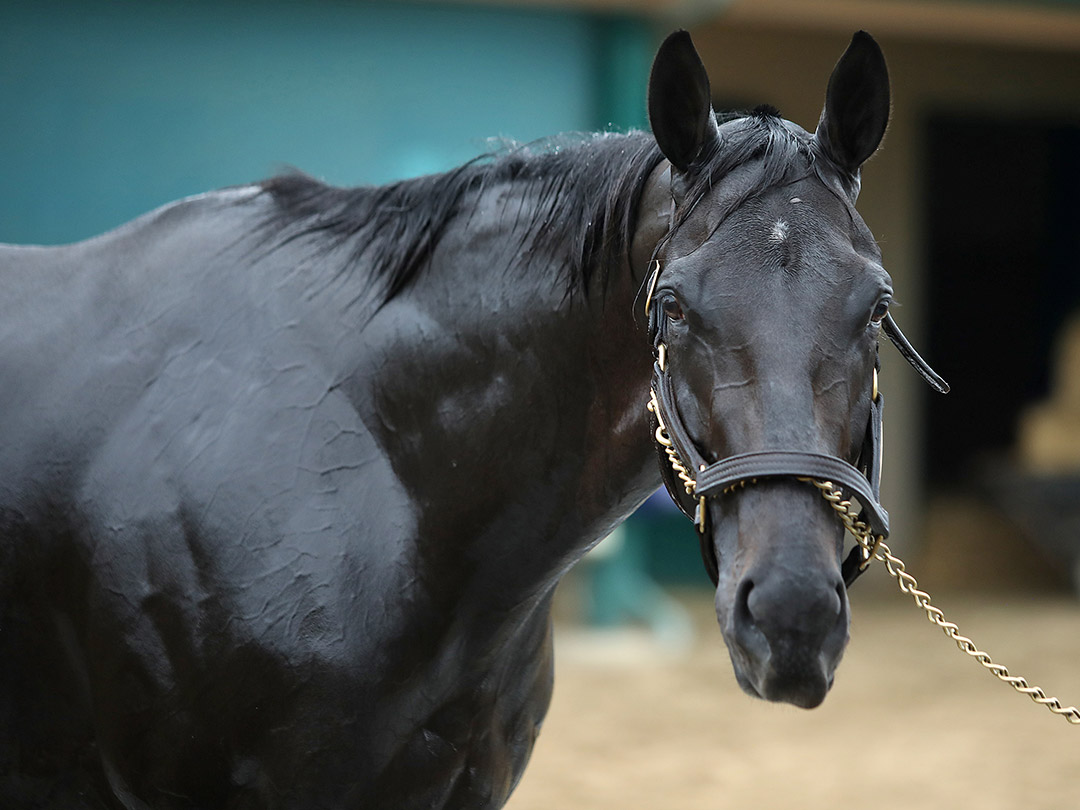
Blood and tissue samples from Medina Spirit, who collapsed on Monday and died of a suspected cardiac event, have been sent to the University of Minnesota to be included in a large ongoing project attempting to find genetic markers for sudden cardiac death in racehorses.
The samples were sent to the project’s lead researchers after collection by regulatory officials at the California Horse Racing Board, which will be conducting the necropsy on the horse. The Minnesota researchers, in contrast, will add the horse’s genetic analyses into a database that is rooting through genes in order to find those that may identify horses which are at strong risk for a fatal cardiac event, according to the study’s researchers.
Dr. Sian Durward-Akhurst, an assistant professor of genetics, genomes, and large and internal medicine at UMN’s College of Veterinary Medicine, is the lead on the project, which has been collecting samples since 2020, mostly from horses racing in Minnesota. The goal of the project is to collect samples from 1,200 horses, Dr. Durward-Akhurst said. Of that total, researchers are hoping to collect samples from 100 horses that died of a cardiac event, with the remainder serving as the control group.
Dr. Durward-Akhurst, who received her undergraduate degree from the University of Glasgow and studied equine genetic variation for her PhD at the University of Minnesota, said that arrhythmias in horses are far more common than most people know, even among horsemen.
“A relatively high percentage of racehorses get arrhythmias during exercise, up to 50 percent, but only a relatively small percentage of those go on to die of it,” she said.
According to the California Horse Racing Board, which collects detailed statistics on deaths at California racing and training facilities, approximately 15 percent of all deaths during the fiscal year 2020-21 were attributed to sudden deaths. “Morbidity related to cardiovascular failure is often suspected, but it is difficult to determine an actual cause,” according to notes from the CHRB’s Equine Postmortem Program. The necropsy into Medina Spirit’s death is expected to last months, and results will be available to the public, CHRB officials have said.
Cardiovascular disorders are among the many health problems that have strong genetic links in mammals. The Minnesota study collects DNA from blood and tissue samples, but it also looks at RNA from the heart tissue, in order to determine whether gene expression in the heart tissue may differ from the horse’s genome.
Dr. Durward-Akhurst said that the project has currently collected 52 samples from horses who died of a cardiac event, and another 500 samples from horses “who may or may not have had arrythmias,” approximately halfway to the study goal. Funding for the study has been provided by the American Association of Equine Practitioners, the Morris Animal Foundations, the Minnesota Racing Commission, and the Grayson-Jockey Club Foundation, among others.
The study is also attempting to analyze electrocardiograms (ECG) of racehorses in order to determine if the tests could provide guidance on whether horses should be allowed to run on certain dates. That part of the study combines the ECG data with artificial intelligence. The project has collected 466 ECGs so far, Dr. Durward-Akhurst said.
“This is probably a long way away, but the goal here is to be able to say, ‘Wait, this one maybe shouldn’t run today,’ ” she said.