

Split-sample testing: What takes so long?
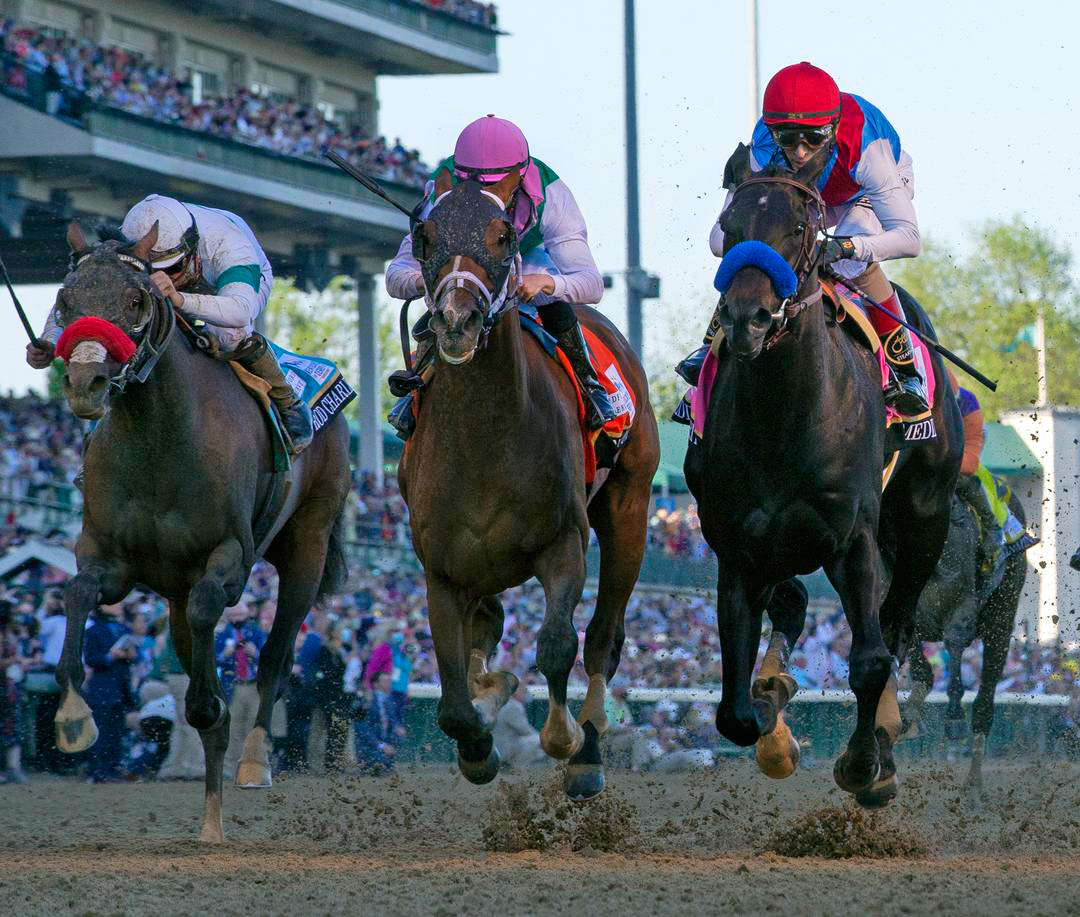
Five days after this year’s Kentucky Derby, the stewards at Churchill Downs placed a call to the barn of Bob Baffert to notify him that his Derby winner, Medina Spirit, tested positive for betamethasone, a regulated corticosteroid, according to the trainer.
The positive test is not considered a violation until a split of the original blood sample confirms the result, and that has not happened yet. That has left a number of observers wondering, What is taking so long?
In contrast to the relatively rapid turnaround for the original sample, the process to confirm a test result in a split sample generally takes four to eight weeks, according to racing officials. And that is because of a vast number of complications, the racing officials said, largely to ensure that the trainer’s due-process rights are protected and to get a result that can withstand the full scrutiny of a legal challenge.
“There’s a lot of double-checking that goes on, because you know that at some point the result is likely to be litigated,” said Dr. Mary Scollay, the executive director of the Racing Medication and Testing Consortium and the former equine medical director for the Kentucky Horse Racing Commission. “You don’t want the sample thrown out because someone forgot to cross a ‘t’ or dot an ‘i’.”
Generally, stewards have three days after learning of a positive to notify the trainer of the result. After that, the trainer is given the opportunity to decide whether to have the split sample tested. Under the regulations in most racing states, there is no timeframe for when the trainer must make that decision, but trainers usually notify stewards of their intention for the confirmation test within several weeks of the initial result.
“There’s nothing in the regulation that provides a time constraint,” Scollay said. “[The trainer] has as much time as he wants. I am sure that’s something that is going to be examined” in the aftermath of the Derby positive.
After the trainer elects to have the split tested – at the horse owner’s cost, an expense that generally runs around $1,000 – the stewards notify the racing commission of the trainer’s decision. The racing commission must then start the paperwork to ensure that the sample is tested appropriately and generate a list of accredited labs that can perform the confirmatory test. That list is given to the trainer, who then must select one of the labs, usually within three to five days.
The sample is then sent to the selected lab, with specific information about what was found in the sample, how long the sample has been in storage, and other pertinent data – but lacking any information about the identity of the horse that tested positive or the horse’s connections. But that does not mean that the lab puts all of its regular work aside to immediately perform the tests on the split sample, officials said.
Most testing laboratories have just enough personnel to perform the tests that the facilities are contracted to complete. A split sample, which has to undergo specific testing using the appropriate equipment, with all of that work carefully documented, gets put in a queue, and that line can be long.
“Unfortunately, it’s a case of when they get to it, they get to it,” Scollay said. “You can have all kinds of things going on in a lab that are out of anyone’s control. People go on vacation. There’s a surge in COVID testing. Most of the labs are already working at full capacity. Testing split samples is something that the labs do for, sort of, the greater good of the industry.”
If the lab confirms the result, the paperwork is sent back to the racing commission, which then must validate the work. After all that, the trainer is once again notified of the result, and the stewards start the process to schedule a hearing to adjudicate the positive and issue a penalty.
Racing officials concede that the process is not ideal. Last week, the California Horse Racing Board issued a complaint against horsemen based on the post-race results from a race in November. In that case, the board also conducted an investigation of the positive result, which was for cannabidiol, or CBD, an ingredient that is contained in a significant number of over-the-counter substances purporting to treat pain and inflammation.
“It all takes time,” Scollay said. “There’s no simple answer to most positives.”