

Mountaineer sold to Century Casinos
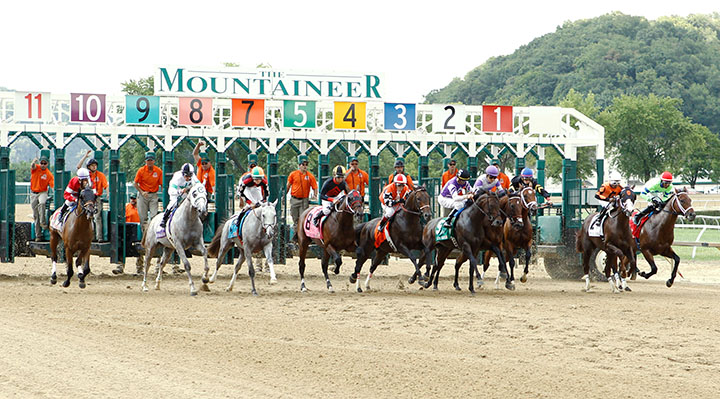
The owner of Mountaineer Casino Racetrack and Resort in West Virginia has reached an agreement to sell the operating assets of the track and two other casinos to Century Casinos, a publicly traded company that owns two racetracks and an account-wagering company in Canada, the two principals have announced.
El Dorado Resorts Inc. said in a release that the transaction, which also involves a separate real-estate company, is expected to close early in 2020. The full cost of the deal for the three properties, including the two Missouri casinos, is $385 million, though the share of the transaction for the operating assets purchased by Century Casinos comes to $107 million of that total.
Century Casinos owns a smattering of midmarket casinos in Colorado and Canada, along with the two racetracks in Alberta, Century Downs and Century Mile. Both of those racetracks operate casinos as well.
El Dorado became the owner and operator of Mountaineer in 2014 when it completed a merger with MTR Gaming, a casino company. It currently owns casinos in 12 states.
Mountaineer, located in the arm of West Virginia that stretches between Ohio and Pennsylvania, is scheduled to run 130 live racing days in 2019 from late April to early December. The track is one of two Thoroughbred tracks in the state, both of which are heavily subsidized by their casino operations.
Mountaineer’s property includes a 357-room hotel and a casino with nearly 1,500 slot machines and three dozen tables games. The other two properties in the deal are located in Cape Girardeau, Mo., and Caruthersville, Mo., both on the Mississippi River.
Under the deal, Century Casinos will acquire the operating assets of the three properties for $107 million, while a real-estate investment trust, VICI Properties, will acquire the land for $278 million. Century Casinos will pay rent to VICI of $25 million a year for an initial term of 15 years, according to the principals.
VICI has similar arrangements with other casino companies, including Penn National and Caesars Entertainment, which is going through a bankruptcy restructuring. The arrangement exploits an area of the tax code that gives significant tax advantages to so-called real-estate investment trusts and their rental partners.
