

Kentucky Downs to transfer purse money to three other in-state tracks
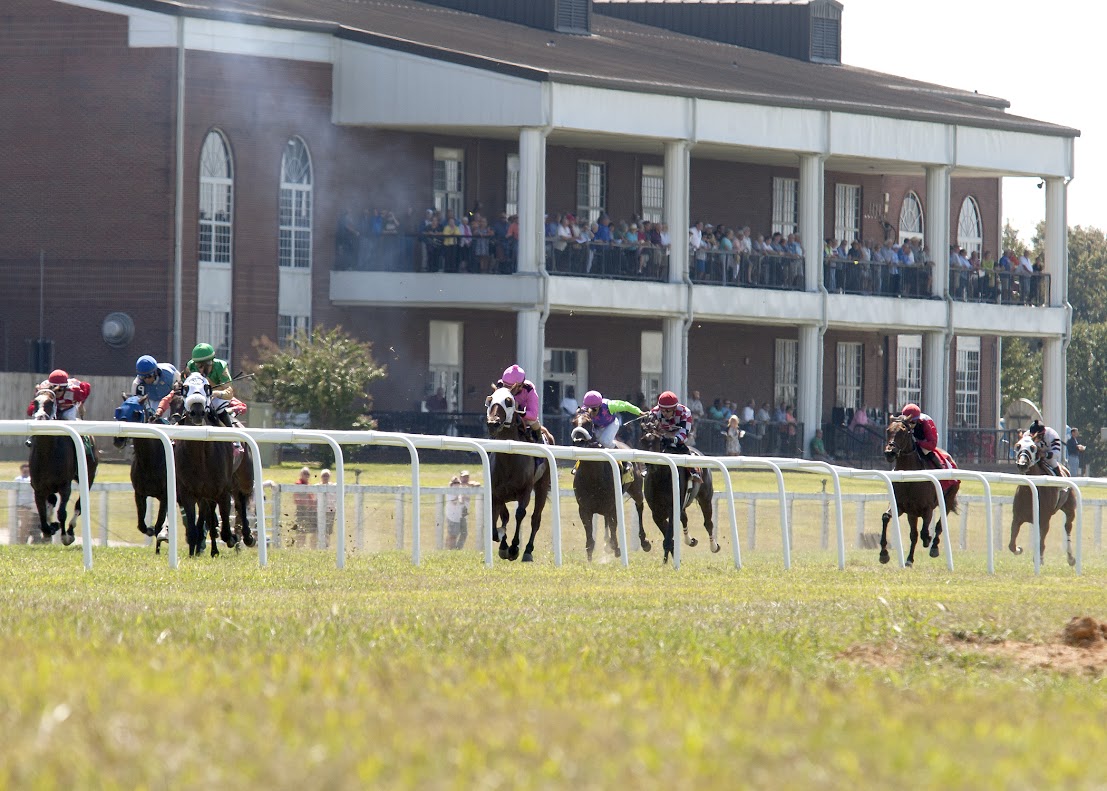
Kentucky Downs in Franklin, Ky., plans to transfer a total of $1.5 million in purse money to three other tracks on the Kentucky circuit, the tracks and the state’s horsemen’s group announced on Thursday.
Ellis Park, Keeneland, and Churchill Downs will each receive $500,000 from Kentucky Downs, according to the announcement. The transfer will need the approval of the Kentucky Horsemen’s Benevolent and Protective Association, but the organization’s executive director, Marty Maline, was part of the team that negotiated the transfers, and approval is considered to be highly likely.
Kentucky Downs, which generates revenues for purses year-round through slot machine-like devices in a gambling parlor at the property, has transferred money to Ellis Park over the past several years to bolster that track’s own purses. Ellis Park also operates the devices, but the machines are not as lucrative as those at Kentucky Downs, which is close to the Tennessee border and, unlike Ellis, not located in a competitive gambling market.
Keeneland also derives revenue from the so-called historical horse racing machines, through a partnership with a Lexington, Ky., harness track, the Red Mile. And Churchill plans to open its own parlor for the devices later this year at its Trackside training facility in Louisville. (Turfway Park also plans its own parlor, but plans have not yet solidified for the facility.)
A release from the groups said that the money will be able to be distributed through purses in whatever manner the tracks like. At Ellis, the funds will be used to bolster overnight purses, with maiden special weight purses rising to $42,000, the highest ever at the western Kentucky track.
Including money from the Kentucky Thoroughbred Development Fund, Kentucky Downs plans to distribute a total of $10 million in purses this year at its five-day all-turf meet, making for by far the highest average purse distribution of any track in North America. Maiden races at the track are worth $130,000.
“We’re happy that we’re in a position to lend an assist to the other racetracks,” said Ted Nicholson, the track’s general manager. “No one knows better of the needs of horsemen at each track than the Kentucky HBPA. So it’s appropriate – in addition to being their contractual right – that the HBPA leadership work with the other tracks’ managers to decide how the extra purse money is used.”