
Harness: Nothing quite like the Goshen experience
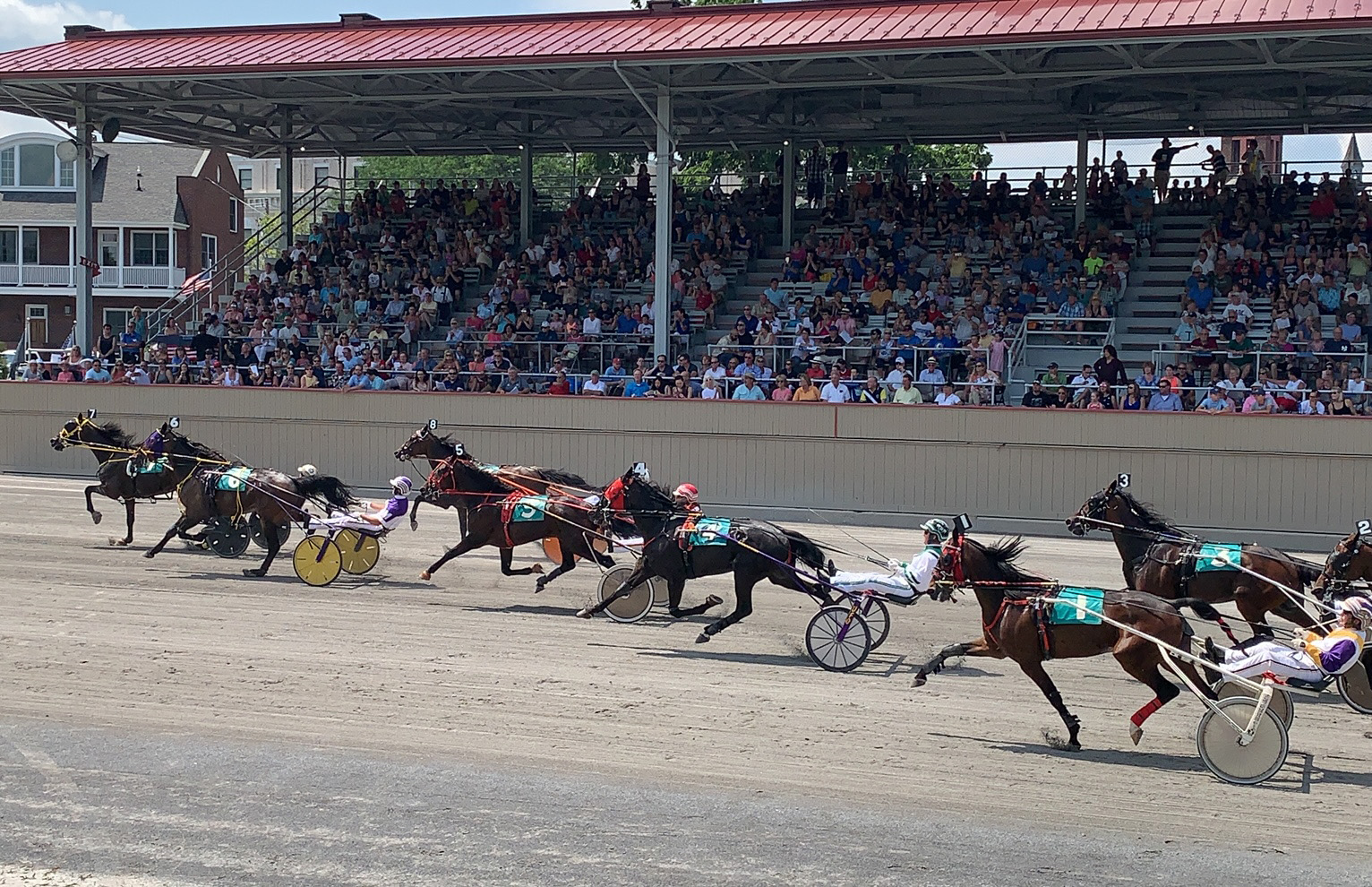
A roaring crowd in a packed grandstand is what harness racing is all about.
While the older generations will instantly recall the heyday of the sport some 50 years ago when parking spots, seats and even elbow room were tough to come by at tracks like Roosevelt Raceway, the experience isn’t completely lost for the few millennials willing to embrace the immersive experience of harness racing.
After a too-long absence, I ventured with my family to Goshen Historic Track on Hall of Fame Trot Day to visit the Harness Racing Hall of Fame and take in the atmosphere. After just a few moments on the track apron, it was clear that brought to its roots, in its truest form without wagering or outside distractions, people do enjoy simply watching our equine athletes compete.
In addition to a full grandstand, people watched from all around the half-mile oval that has been a mainstay of the landscape in upstate New York since 1838. There were Baby Boomers, Millennials, Generation X, Y, Z, and plenty of Alphas (currently babies, toddlers and preschoolers). All of them cheering with no interest in the race other than a favorite number, color or driver.
There was plenty of interaction between the horsemen, horses and fans. Of course, the great Foiled Again was on hand to greet anyone who had interest in meeting the richest horse in Standardbred history, but you also had drivers and trainers walking through the crowd and even recognition of the fans from those competing in races.
Perhaps my favorite moment came well after Hall of Famer David Miller crossed the wire first in the Hall of Fame Trot with Zagster. While it was great to see greats like Miller, Brian Sears and Jimmy Takter battle to the wire within a length of each other, more than 10 seconds later the crowd erupted as Wally Hennessey neared the finish after his drive Campbellini broke most of the mile. Just as when the fans at a baseball game will cheer a pitcher who throws a strike after walking the bases loaded on 12 pitches, this crowd gave Hennessey hearty welcome and I credit the veteran driver for saluting and waving to the crowd to acknowledge them. This is the type of interaction that creates fans of the sport.
On a personal note, my 8-year-old daughter had the time of her life at Goshen (my older daughter tolerated the experience). Perhaps it was her displaying interest in what her father does, but she loved seeing the history of the sport, enjoyed watching a couple of races and absolutely relished her time in the Ray Schnittker barn petting just about every horse and feeding a bunch of them treats. Again, these are the types of experiences that make fans of the sport.
Unfortunately, the interaction between the backstretch and crowd is non-existent at most locations. That is one area where Thoroughbred racing has the harness game beat. The paddock area and the ability to watch the horses walk from that location to the track helps to create a better bond and fan experience. People genuinely want to be up-close and personal with the horses and not simply watch them from a distance. They want to interact with the drivers and trainers to see that they are real people.
The experience still exists at some locations. Little Brown Jug Day at the Delaware County Fair offers fans a true opportunity to get within touching distance of horses and arm’s length of horse people. At the old grandstand at The Meadowlands, the outside paddock was always lined with people on the biggest days. I remember going to Monticello Raceway 20-something years ago and being able to look into the paddock from the grandstand windows since it was attached. This was long before I was hooked on the sport and those experiences help to make the sport more real.
If you’ve never been to the Harness Racing Hall of Fame, it’s worth the trip. You can only watch racing on select days during June/July, but maybe you’ll catch a horse warming up or can pet a horse from the Schnittker, John McDermott, Jennifer Connor or one of the other outfits stabled at the location. The museum is open year-round from 10 am to 4 pm.
Finally, and this is for my buddy Jimmy Takter, if you are involved in this sport in any way and have the financial means, please support the museum. Membership starts at just $35 and you can easily do it online. We must support our history, because if we don’t, who will?