
Deal struck to return Thoroughbred racing to Great Barrington Fairgrounds
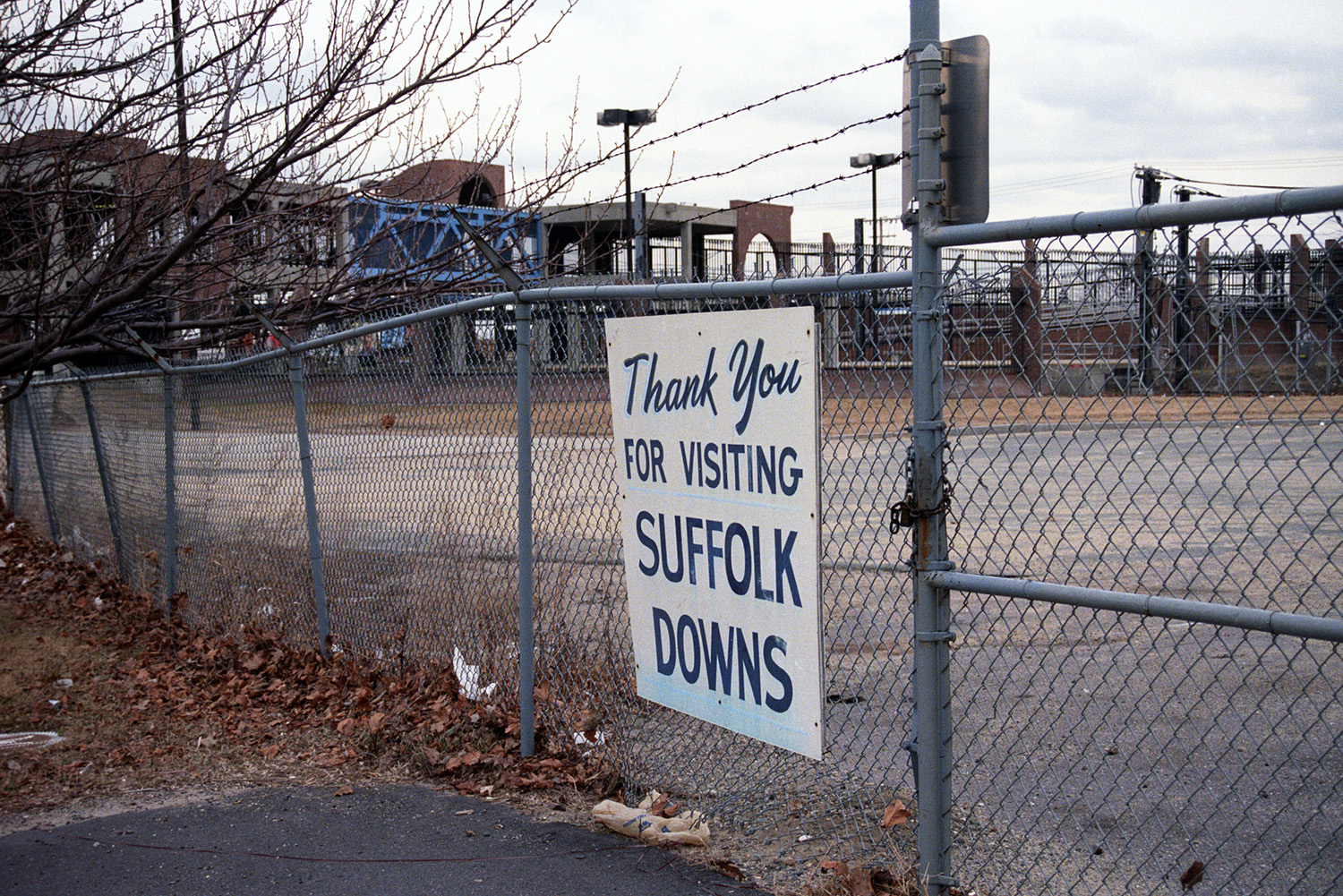
The former owners of the East Boston-racetrack Suffolk Downs have reached a long-term lease agreement with the owners of the Great Barrington Fairgrounds property to conduct live racing on the grounds as early as next year, provided that massive renovations to the former racetrack are completed and racing-friendly legislation is approved in the state.
The agreement, which was endorsed by groups representing the state’s breeders and a faction of horsemen, could potentially provide a long-term home for Thoroughbred racing in Massachusetts, five years following Suffolk Downs’s announcement that it would close after being passed over for a casino license in the state. The property underlying Suffolk Downs is scheduled to be redeveloped in 2019 after its sale early in 2017.
The Great Barrington Fairgrounds, located on the western edge of Massachusetts, hosted a race meet from 1940 until 1983, and racing returned briefly to the half-mile bullring in 1997 and 1998. The property is currently owned by Bart and Janet Elsbach, who purchased it in 2012 with the intent of maintaining some of the fair’s traditional activities through a not-for-profit organization called Fair Grounds Community Redevelopment Project.
Chip Tuttle, the chief operating officer for Sterling Suffolk Racecourse, which holds the license for racing at the former site of Suffolk Downs, said that the property’s racing facilities, including the grandstand, barns, and track, would need to be renovated and refurbished prior to the return of live racing. In addition, Tuttle said that the project would hinge on a legislation that would allow full-card simulcasting to continue year-round at the former Suffolk site and allow money from the state’s Race Horse Development Fund to be used for capital expenditures at tracks.
Tuttle said that the half-mile track on the property, which currently has a five-furlong and six-furlong chute, can be expanded to a maximum circumference of six furlongs given the dimensions of the property. As a result, if racing were to go forward in 2019, the track may have to run on the half-mile track for at least one year, given the complexities of constructing a new track and possible environmental reviews.
“That will be up to the horsemen,” Tuttle said, in reference to the possibility of racing on a half-mile track. “There’s clearly room to expand the track, and it’s definitely feasible to run next year. How quickly we get there remains to be seen.”
Suffolk Downs has conducted brief meets at the East Boston property since the 2014 announcement that the track would close, with racing over three or four summer weekends. The former track owners and the state’s horsemen and breeders had been exploring other options for the return of live racing, including a plan to use bonds backed by casino subsidies to build a new equine facility in a rural part of the state.
The state’s Race Horse Development Fund, where the subsidies are directed, currently has a balance of $14.2 million, according to records of the Massachusetts Gaming Commission. In past years, given the dearth of racing opportunities for Thoroughbreds, larger portions of the fund have been directed to Standardbred racing, but Tuttle said that they would push for larger shares of the fund if and when racing returns to Great Barrington.
