

With deadline expired, Arlington, horsemen still at impasse
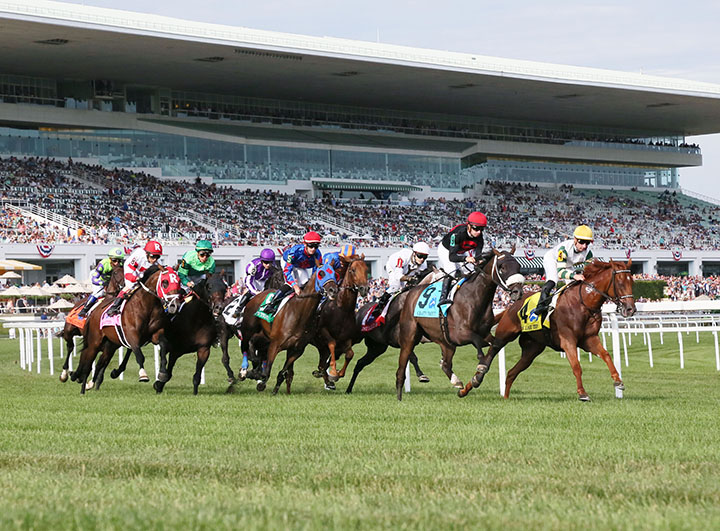
CHICAGO – Arlington and the Illinois Thoroughbred Horsemen’s Association had yet to sign a contract for the 2020 racing season as of Wednesday afternoon, a violation of a racing statute altered during 2019.
The Illinois Horseracing Act was amended last year during the legislative process that granted racetracks the right to operate casinos and conduct sports betting, requiring tracks and representative horsemen’s groups to sign a meet-governing contract before the start of a calendar year. Previously, the law merely required a contract be signed at any point before the start of a race meet.
That supposed deadline came and went with no recent negotiations between Churchill Downs Inc.-owned Arlington and the ITHA, according to ITHA executive director, David McCaffrey. The two groups last had formal negotiations roughly two weeks ago.
At issue for the ITHA are overnight purses for the 2020 season. Arlington paid out $10.7 million in overnight purses during the 2019 meet, an average of about $151,000 per day, but the ITHA projects overnight purses to drop to about $130,000 in 2020. McCaffrey said no one from CDI or Arlington had disputed that projection. Tony Petrillo, Arlington’s president, declined to comment for this story.
The ITHA has asked Arlington pay $13.6 million in overnight purses during the 2020 meeting. Since purses began dropping below subsistence levels here, the ITHA has suggested Arlington consider scrapping the rich stakes on the Arlington Million card, which almost entirely reward owners and trainers who aren’t based in Illinois. But dumping the Million, the Beverly D., and the Secretariat isn’t a specific ITHA prescription.
“We didn’t demand they scrap Million Day. That’s one way you can get to our offer. There’s all sort of precedent for this, too. We just hit $3 million in Hawthorne purse overpayment,” McCaffrey said.
Hawthorne has been willing to overpay its purse account since the track plans to open a casino as soon as they can, possibly as soon as late in 2020. CDI declined to apply for a casino at Arlington this past summer, throwing a monkey wrench into hopes for revitalization of the flagging Chicago racing circuit.
There appears to be little question that Arlington, at least, has violated the state statute, which says that a contract “shall be negotiated and signed by the organization licensee [racetrack] before the beginning of each calendar year.” What that means in terms of punishment or the involvement of the Illinois Racing Board is uncertain, owing to the recent law change.
“We’re in completely uncharted waters here,” McCaffrey said.