
Arlington facing headwinds as meet opens
 RACE REPLAY IS NOT AVAILABLE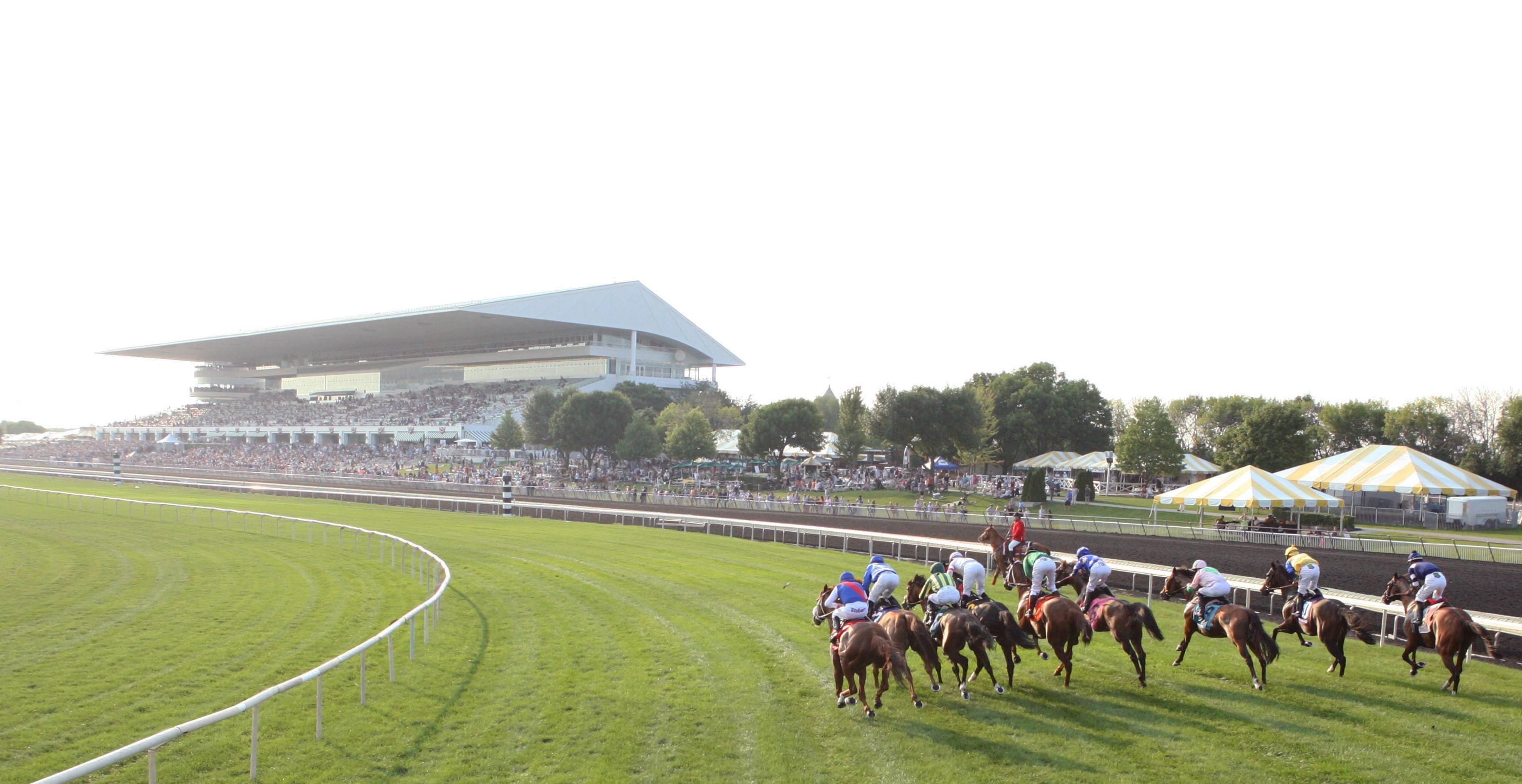
ARLINGTON HEIGHTS, Ill. – April 29, six days before opening day of the 2019 race meet, it snowed several inches at Arlington Park. But freakish spring snow is nothing compared to the deeper existential problems facing this historic Chicago-area track.
Illinois is a sinking island of handle-generated purse money in a sea of racino-fueled racing jurisdictions. All the other tracks in nearby Midwest states – Indiana, Iowa, Kentucky, Minnesota, Ohio – offer purses significantly subsidized by revenue from other forms of gambling. Arlington, Hawthorne, and Fairmount Park, the three remaining Illinois tracks, pay purses almost entirely from horse-race betting handle.
The Illinois Department of Agriculture two summers ago began appropriating general state revenue ($1.8 million for fiscal year 2018) paid to racing through Illinois owner awards. Arlington’s purses should go up nominally when that subsidy gets renewed in July, but as the 71-day meet begins Friday, overnight purses are at about $165,000 per day, according to Arlington president Tony Petrillo. Canterbury Park in Minnesota and Prairie Meadows in Iowa open Friday and offer average overnight purses of roughly $200,000 and $240,000, respectively.
:: Shop for PPs, picks, DRF+ and more in our store!
Arlington expects to house 1,400 horses by this weekend, 200 more than last year’s meet, but during 2018 Arlington averaged only 7.46 starters per race despite running just 616 races, down from 834 in 2014. Arlington’s basic schedule is three days per week (Friday through Sunday) during May, June, and September, and four days (adding Sunday) in July and August. With eight or nine races per day, that is too few racing opportunities for many horsemen to sustain stables at these purse levels.
Arlington’s chairman, Richard Duchossois, is 97. Duchossois, whose younger family members seem disinclined to become closely involved with the racetrack, once was majority shareholder in Churchill Downs Inc., Arlington’s parent company, but sold off shares and no longer occupies that position. CDI has a majority ownership stake in Rivers Casino, Illinois’s largest casino, located less than 15 miles from the track. Some wonder if CDI remains especially interested in bringing casino gambling to Arlington, which could happen if the Illinois legislature enacts statewide gambling expansion. Others believe Arlington could be sold to real estate developers.
“We always have that fear,” Petrillo said, asked if this could be the track’s final season. “But no, I think Arlington will be sustainable.”
Arlington’s Polytrack main track, often derided, might be coming back into vogue. The spate of breakdowns at Santa Anita this winter brought renewed interest in synthetic racing surfaces, and statistics show Arlington’s main track has been safe. The fatal breakdown rate at Arlington between 2010 and 2018 was .92 horses per 1000 starters compared to 1.97 in dirt races nationally between 2009 and 2018.
The track installed a more portable inner turf rail during the off-season and can switch turf lanes with greater ease now. Arlington will race in seven turf lanes, set 13 feet apart, during this meet.
Illinois foal crops have fallen so hard that Arlington has begun carding statebred restricted races also open to Louisiana- and Arkansas-breds.
The jockey colony, headed by perennial leader Jose Valdivia, looks similar to last year’s, with Ty Kennedy one notable newcomer. Valdivia rides loads of winners for leading trainer Larry Rivelli, who was allotted more than 80 stalls this season. Trainer Gary DeLong has an increased Arlington presence, as does trainer Chris Davis.
Arlington Million Day is Aug. 10.
Here’s hoping it’s not the last one.