

Pimlico, Preakness futures may be clear within year
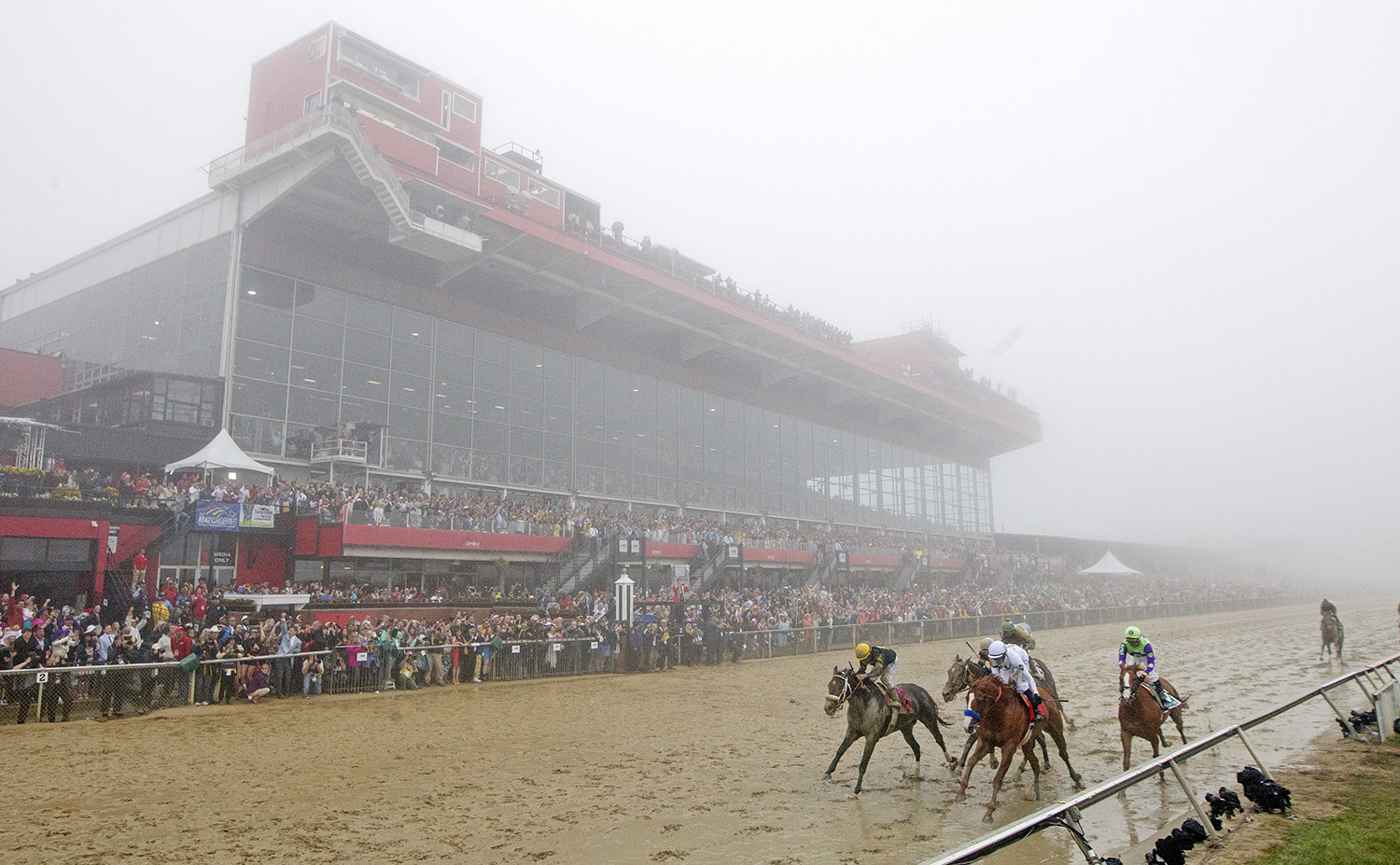
BALTIMORE – With the 143rd Preakness in the books, Tim Ritvo, The Stronach Group’s chief operating officer, is hopeful decisions will be made during the next 12 months regarding Pimlico Race Course’s future and where the Preakness will be held in the years to follow.
Phase 2 of a Maryland Stadium Authority study on Pimlico is under way, and its results could be issued this fall. Phase 1, completed in February 2017, estimated it would cost $300 million to renovate the dilapidated but somehow homey racetrack.
The second part of the $400,000 study, which was held up for almost a year as those involved decided how to fund it, will make recommendations on who will pay for the renovations – the state, the city, or The Stronach Group. It also will include an analysis of the urban area surrounding Pimlico and other options for the Pimlico property beyond Thoroughbred racing.
“I think I will have a clearer answer on the future home of this race a year from now,” Ritvo said at a Preakness Day media conference. “And hopefully the politicians and everyone else around me does, too.
“The great thing is nobody’s kicking the can down the road anymore. Everybody realizes the fan experience can’t be elevated to the level it should for a Triple Crown race in this facility.”
The Stronach Group contends renovating Pimlico is not enough and that the facility needs to be torn down and rebuilt from the ground up to bring it in line with other modern sporting venues.
:: Get the Belmont Stakes All-Access package for just $29.95!
The company also has been quite direct in stating it is not prepared to foot any of the renovation or rebuilding costs. Over the last four years, The Stronach Group has invested tens of millions of dollars into modernizing suburban Laurel Park, which is located midway between Baltimore and Washington, D.C.
“We’ve made it pretty clear we’re not going to put any funds into it,” Ritvo said. “No. 1, we don’t have the funds to put into it. We’re a privately owned company that has no debt, and we’re in good shape, but at the same time we’re not looking to pour millions and millions of dollars, hundreds of millions of dollars, into a facility here and continue to renovate Laurel.”
The future of Pimlico, which opened in 1870, is a hot-button topic. The revenue the Preakness generates is important to the city of Baltimore. Although the Pimlico facility is in poor condition, racing fans respect its rich history, and many want the Preakness to remain at the track.
The Stronach Group’s stance also is understandable. In today’s racing environment, very few markets can afford to operate two facilities. The company has decided racing at Laurel Park is a better option than staying in the city.
“When we started this, maybe 10 years ago, we looked at Baltimore and Pimlico being the main racetrack, day-in and day-out, and selling off the Laurel property,” Ritvo said. “But then we started to weigh the difference of 120 acres at Pimlico to 300 acres at Laurel, the train station at Laurel, and a struggling community around Pimlico. It was an easy decision to say, okay, Laurel’s the one that makes sense.”
If the Preakness does move to Laurel or the track gets a Breeders’ Cup – which it has already applied for – Ritvo admits the facility will not be able to accommodate a crowd as large as Saturday’s Preakness, which had an announced attendance of 134,487.
“I mean, everything in racing is more to premium-quality seats,” Ritvo said. “We don’t want to leave out the smaller customer, who likes to pay a $50 venue fee to get in, but it seems like that’s the direction the industry is going, especially, for events like the Breeders’ Cup. In my head, I have a plan for what Laurel could look like with about 75,000, 80,000 people there.
“We could do that experience at Laurel where we don’t need the infield and we can build the infrastructure around the track. We think that would enhance the game and the experience of horse racing would improve. People would be able to see the other side of the track.”
