

Monmouth set to take first sports bet Thursday
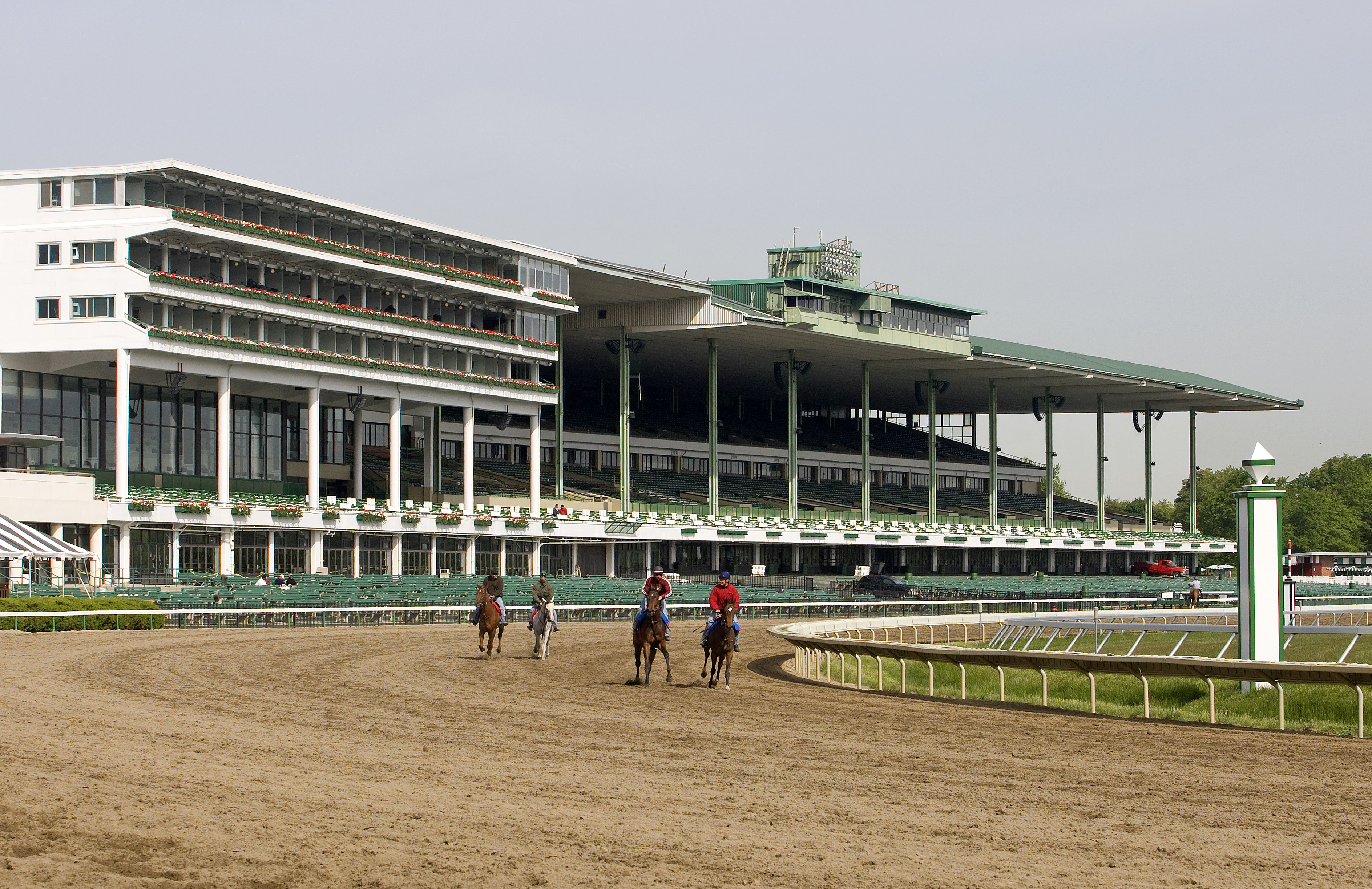
Monmouth Park in Oceanport, N.J., was granted a license for sports betting on Wednesday afternoon, paving the way for the racetrack to take the first sports wager in New Jersey since the state began efforts to legalize the practice seven years ago.
The New Jersey Racing Commission granted the temporary license on Wednesday following a carefully choreographed procedure that began with Gov. Phil Murphy signing sports-betting legislation on Monday and the commission posting emergency regulations shortly thereafter. That allowed the commission to meet the conditions of a 48-hour public-comment period required for the approval of emergency regulations at the Wednesday meeting. The rules were then quickly endorsed by the governor.
Gov. Murphy is expected to place the first bet on Thursday when Monmouth opens its sports book at 10:30 a.m., in time for the start of the World Cup tournament. However, that will also be a few hours too late to offer proposition betting on who will win the U.S. Open golf tournament on Long Island, which starts earlier that morning.
Dennis Drazin, the head of the company that operates Monmouth Park, said that the track’s sports book plans to offer “just about anything that will be offered in Las Vegas” at the time of the opening, including straight bets, over/under bets, proposition wagers, and parlay wagers. The sports book is being managed by William Hill, the British bookmaking company that struck up an agreement with Monmouth Park several years ago as the state delved deeper and deeper into the legal conflict surrounding its effort to legalize the practice.
Monmouth Park will be the only racetrack location with sports betting on the menu on Thursday, with the Meadowlands and Freehold Raceway perhaps weeks away from getting their own operations up and running. New Jersey’s legislation also allows sports betting at the state’s licensed casinos, but only the Borgata has committed to opening on Thursday, giving Monmouth a firm leg up on its competition, for the time being.
New Jersey’s executive branch and legislature embarked on formal efforts to legalize sports betting within the state in 2011, but the efforts were continually challenged by sports leagues in state and federal courts, which largely agreed with the leagues’ argument that the practice violated a 1992 federal law, the Professional and Amateur Sports Protection Act. However, on May 11, the Supreme Court ruled that PASPA was unconstitutional, jump-starting the process once again in New Jersey.