

Lasix: A timeline of the drug in racing
May 1964: Kentucky veterinarian Alex Harthill treats Northern Dancer with Lasix, unknown and illegal, before the Kentucky Derby. Northern Dancer beats Hill Rise by a nose. Harthill would popularize Lasix in the years to come.
1974: Maryland is the first state to legalize Lasix for raceday use.
1974-1976: Florida, Illinois, Pennsylvania, Kentucky, Michigan, New Jersey and several other states follow Maryland’s lead.
June 1987: Forced to race without Lasix for the first time since winning the Kentucky Derby and Preakness, Alysheba finishes a dull fourth in his attempt to win the Triple Crown at Belmont.
1988-89: Commissioned by the Jockey Club, the University of Pennsylvania School of Veterinary Medicine concludes in a study that Lasix enhances performance, as long believed.
1990: Medication information on horses published by the Daily Racing Form in past performances for the first time.
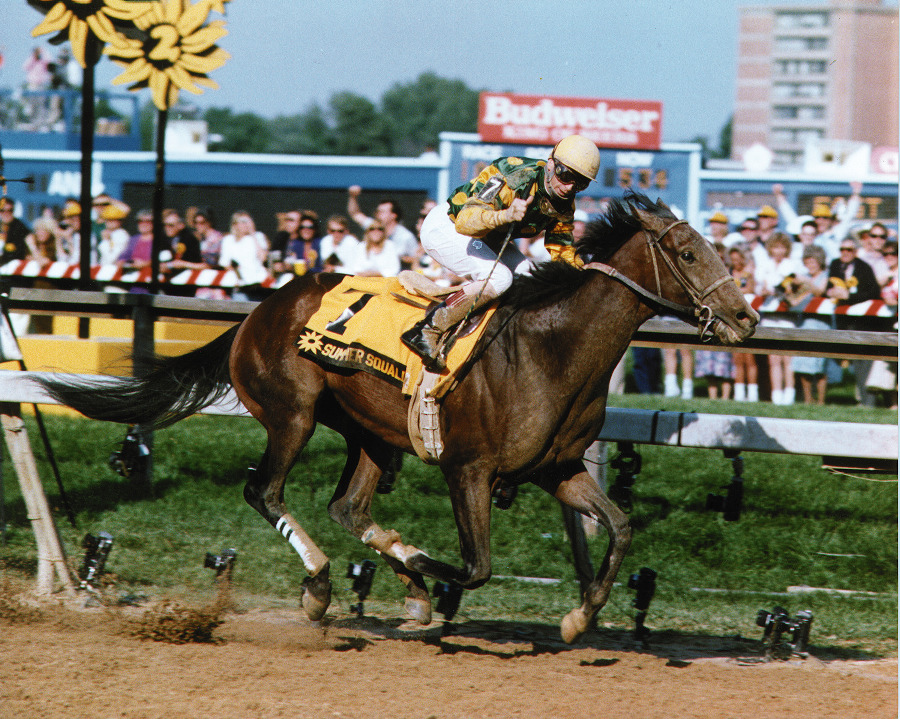
June 1990: Preakness Stakes winner Summer Squall, a known bleeder, skips the Belmont Stakes because New York does not permit Lasix.
September 1995: New York is the last state to legalize raceday use of Lasix.
June 2009: Groundbreaking South African study shows how Lasix successfully treats EIPH.
July 2011: The Breeders’ Cup proposes a ban on Lasix in its two-year-old races in 2012 and all of its races in 2013.
July 2011: Frank Stronach requests help from the Florida Racing Commission in outlawing raceday medication, including Lasix, at the upcoming Gulfstream Park meet.
August 2011: Gulfstream withdraws its proposal after intense opposition from horsemen’s group.
August 2011: The American Graded Stakes Committee follows the Breeders’ Cup in approving a ban on Lasix in all of its two-year-old graded stakes in 2012.
September 2011: New York state senator Thomas K. Duane (D-Manhattan) introduces legislation to ban the use of Lasix in any state-sanctioned race.