

Full-card Derby Day handle rises 7.8 percent
The Kentucky Derby and its undercard just keep getting bigger.
Fresh off of records set last year, the Derby this year attracted $148 million in bets, a 7.5 percent increase, while the entire 14-race card broke the $200 million mark for the second straight year, at $223.7 million, a jump of 7.8 percent over the full-card number last year, according to charts of the races produced by Equibase. (Daily Racing Form figures differ from those released by Churchill Downs because DRF does not include future-pool wagering numbers. The future pools close weeks before the Derby.)
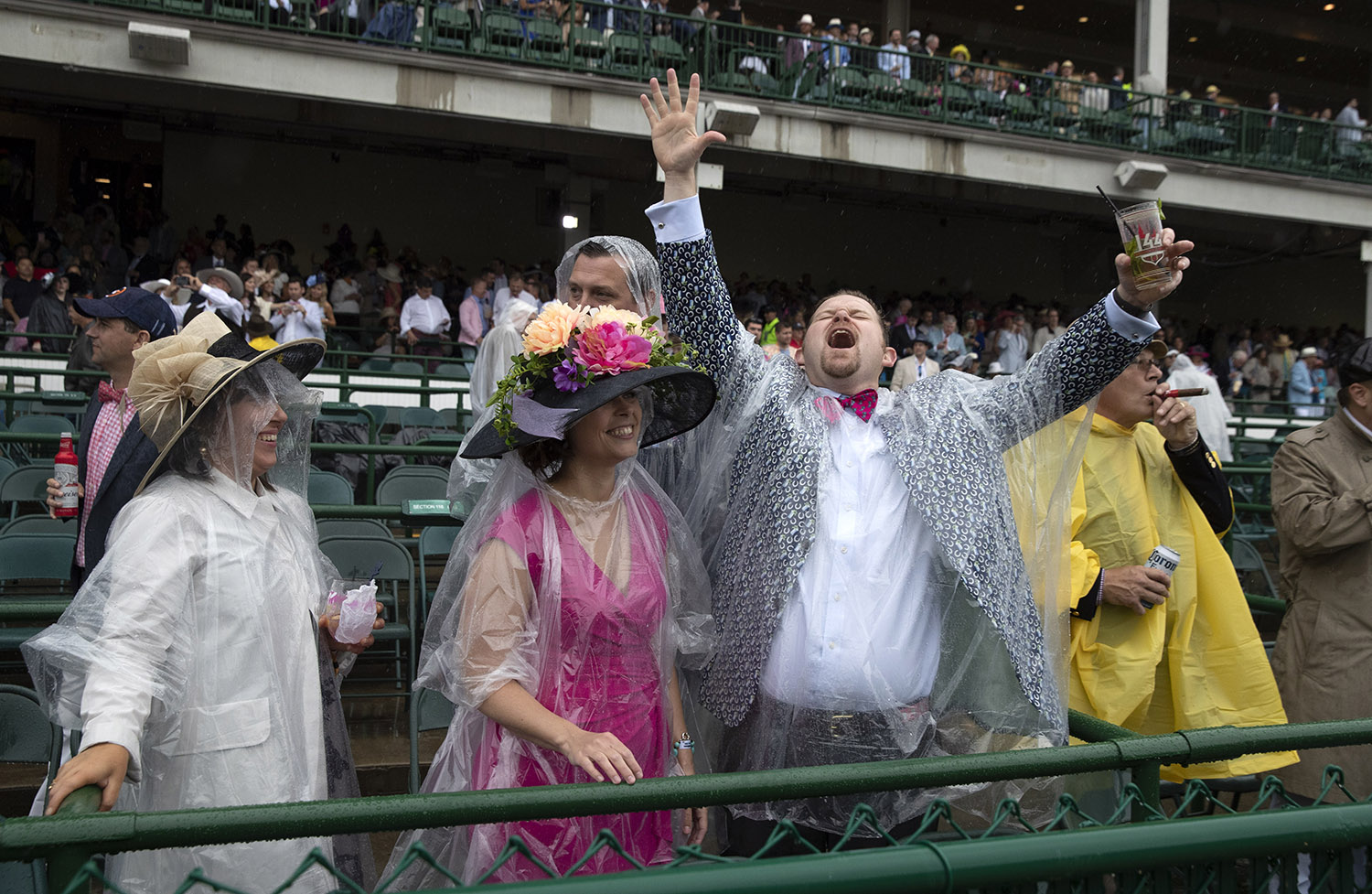
The records were set despite some negative factors, including steady rainfall that produced the wettest Derby Day on record, according to the National Weather Service. In addition, several account-wagering outlets, including the one owned and operated by Churchill, Twinspires.com, experienced sporadic outages in the hour leading up to the race, though the problems were ultimately ironed out within 20 minutes to post.
But the Derby also had positive industry trends working in its favor. Handle on U.S. races has been on a pronounced upswing for months, a trend that racing officials attribute to tax-rule changes enacted last fall that have sharply reduced the number of winning wagers that qualify for automatic reporting and withholding. Meanwhile, U.S. racetracks have been benefiting from a strategy over recent years of loading popular race events with strong undercard races and a chock-a-block menu of wagering options focusing bettors’ attention.
Betting was strong at Churchill throughout the day, with every race leading up to the Derby posting higher wagering numbers than the same race the year prior, according to the charts. A total of 147 horses ran in the 14 races on Saturday, up slightly from 144 runners in 14 races on the Derby card in 2017. The only race on the card to post negative numbers was the last race, which had an eight-horse field, compared to 11 horses last year.
With the exception of the pick three ending in the Derby, every single individual pool offered on the Derby had higher betting numbers than last year. Growth was especially strong in the horizontal pools, with the pick four up 18.3 percent, the pick five up 68.7 percent, and the pick six up 17.6 percent. Takeout for the pick five was reduced from 22 percent to 15 percent prior to Churchill’s spring meet.
Those pools, however, pale in size when compared to the Derby’s straight and exotic wagering pools, which continue to generate outsize numbers. The win, place, and show pools attracted $62.34 million in bets, up 7.2 percent, and the exacta pool attracted $24.5 million, up 5.3 percent. The trifecta pool was $32.77 million, up 6.7 percent. The superfecta pool was just a shade higher at $13.10 million.
Throughout Derby week, the numbers were the same. According to Churchill, total all-sources handle for the first six days of the spring meet, from April 28 through the Derby and including Friday’s Oaks card, was $311.2 million, up 9 percent from last year’s record of $285.1 million for the same string of days. Handle on the Oaks card was up 14.2 percent to $55.8 million.
Unfortunately for price-sensitive bettors, the numbers have a downside. In 2014, Churchill raised its takeout rates across the board to the highest allowed under Kentucky law, setting off an outcry among handicappers who called for a boycott of the track. While wagering numbers were way down after the Derby was run that year, handle has bounced back and shows no sign of weakening. This year’s Derby Day handle was 23.8 percent higher than the Derby Day handle in 2014.
There was another weak spot for the Derby this year. The overnight television rating for the Derby broadcast on NBC dipped 13 percent to a 9.1, according to figures released by the network, while the share dropped 8.7 percent to a 21. Still, those are blockbuster ratings for a broadcast in the fractured television market, with the 9.1 the highest rating for any Saturday broadcast since a Winter Olympics program earlier in the year.
Churchill also reported that attendance for this year was 157,813, down only slightly from last year’s figure, when weather on Derby Day also was rainy. Still, Churchill said it was the eighth-largest Derby crowd in history, despite what appeared to be a relatively sparse crowd in the infield.
The infield, however, is not where Churchill makes its money on Derby Day. The company has poured hundreds of millions of dollars over the last decade into sweetening its seating options for well-heeled customers, and the strategy continues to pay off. In a press release, Churchill officials said that its earnings before interest, taxes, depreciation, and amortization would jump between $11 million and $13 million this year due to its Derby week performance.